A hair colour line needs two different bottles, because its two reactive parts behave in opposite ways. The thick, oxygen-sensitive colourant cream goes into a nozzle-top applicator bottle or a wide-mouth jar, while the thin hydrogen peroxide developer goes into amber glass with a pump or screw cap and a peroxide-compatible liner. Both must stay stable apart for 24–36 months, so specify glass type, liner and neck finish, and prove compatibility with a filled stability study.
Matching the dispenser to colourant and developer
A retail colour kit can hold four components: colourant cream, developer lotion, a conditioner sachet and gloves. Only the first two are chemically demanding, and viscosity decides how each is dispensed.
| Colourant cream | Developer lotion | |
|---|---|---|
| Consistency | Thick, 5,000 to 30,000 centipoise | Thin and pourable; hydrogen peroxide, typically at 3%, 6%, 9% or 12% strength |
| How it is used | Squeezed into a tint bowl in a measured amount | Measured by volume, often one-handed during a service |
| Usual pack | Applicator bottle with twist-open nozzle cap and graduated body, or a wide-mouth jar with spatula | Amber glass bottle with pump or plain screw cap |
| Main threat | Air: the dye precursors oxidise | Trace metals, organic residue and light |
| Typical sizes | 50ml or 60ml per unit | 60ml, 100ml, 250ml and 1,000ml for the salon back bar |
For the colourant bottle, ask for a nozzle orifice of 2.5–4mm so cream flows without clogging, graduations that survive decoration firing, and a cap that reseals, since a salon rarely finishes a unit in one service. Either closure works for developer, but pumps are preferred in salons. Pump choices are set out under bulk glass pump bottles, and closure pairing on our lotion bottle page.
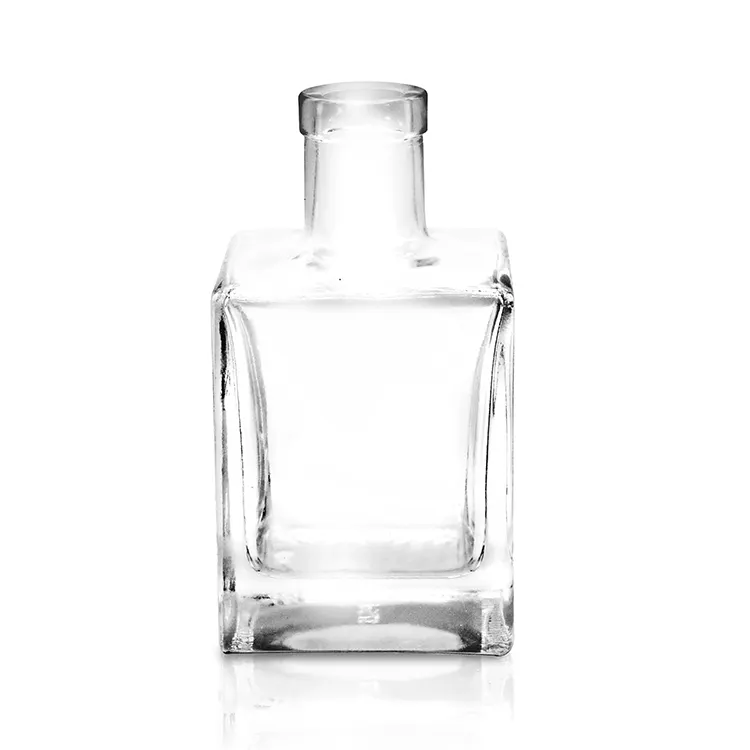
Where glass fits in hair colour packaging
Mass-market box dye stays in plastic squeeze bottles on cost grounds. Glass is specified more and more by professional salon lines, organic-positioned colour brands and higher-end direct-to-consumer kits. Their reasons are barrier performance, neutrality towards aggressive alkaline formulas, and the presence an amber or frosted bottle has on a salon back bar.
Planning colourant and developer as one programme
The two components pull barrier requirements in opposite directions. Colourant cream contains dye precursors (p-phenylenediamine-class intermediates and couplers) that react with air, so it wants an oxygen barrier and very little headspace; that is why laminated tubes and narrow-headspace bottles dominate this side. Developer breaks down on contact with trace metals and organics and gives off oxygen gas as it does, so it wants an inert, extremely clean container.
Properly de-alkalised amber glass meets the developer's needs well. It is effectively inert to peroxide, adds no metal ions, and screens out the UV that speeds peroxide breakdown.
Volumes are planned as a pair. Retail kits commonly match 50ml of colourant with 75ml of developer, or 60ml with 90ml. Professional lines sell 60ml colour tubes and offer developer separately in 250ml and 1,000ml back-bar sizes. Running both components through one sourcing channel lets you rationalise neck finishes, unify decoration and keep compatibility testing under one quality check. The cosmetic glass bottle collection shows the component families, and a private mould is covered under custom cosmetic bottles for brands a stock shape cannot carry.
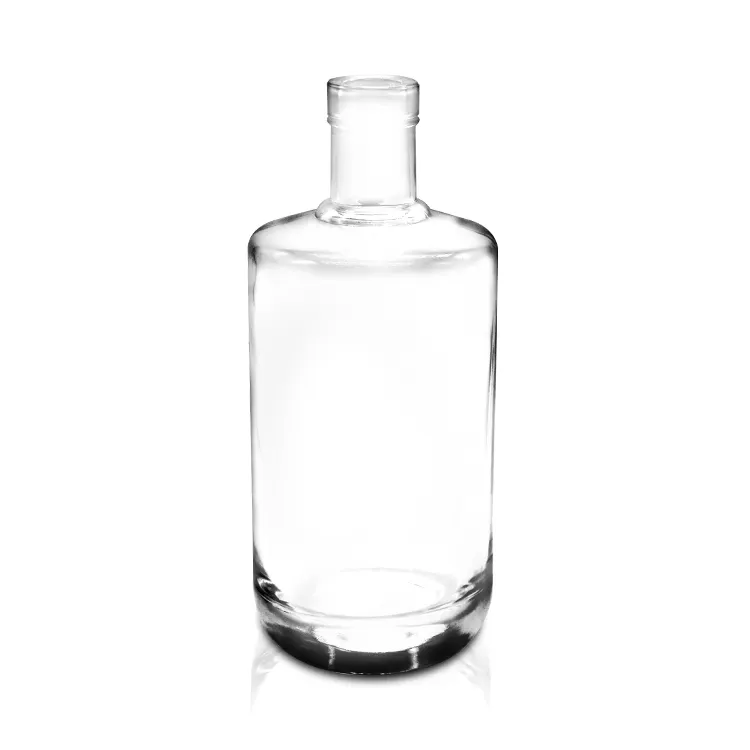
Compatibility checks for alkaline cream and peroxide
Alkaline colourant against the glass surface
Colourant creams typically sit at pH 9–11, from ammonia or MEA (monoethanolamine) systems that swell the hair cuticle. Over time alkali attacks glass: hydroxyl ions leach the silica network, which appears first as surface haze and later as flaking, known in the trade as "glass bloom" or weathering.
The standard defence has to be written into the specification. Ask for Type III soda-lime glass with a de-alkalising surface treatment, either sulfur treatment or ammonium sulfate firing. Then confirm it with a filled-product stability test: 12 weeks at 40°C/75% RH, checked monthly for haze, pH drift and emulsion separation. A data sheet is not proof, because the particular alkaliser, oils and surfactants in your formula change the result.
Peroxide developer against contamination, light and pressure
Peroxide decomposes very quickly on trace iron, copper or organic residue. Developer bottles therefore need validated washing before filling, and liners suited to oxidisers: PE foam or induction-seal liners rated for the purpose, and never a metallised liner in direct contact.
Amber glass cuts off UV below 450nm, which roughly doubles peroxide shelf stability compared with flint under lit retail conditions. Because decomposition releases oxygen, specify a vented liner or validate the headspace and seal for slow gas release. A hermetically sealed peroxide bottle on a hot container ship arrives swollen and weeping.
What to put in the RFQ
Salon-channel buyers write some of the most detailed specifications in beauty packaging, and their checklist suits any hair dye bottle project.
- Capacity and fill accuracy. State brimful and nominal volumes with a ±2% tolerance. Mixing ratios of 1:1, 1:1.5 or 1:2 are printed on the pack and have to work with the bottles as delivered.
- Neck finish. Call it out to the GPI/SPI standard, for example 20-410, 24-410 or 28-410, so pumps and caps from existing tooling fit without adapter SKUs. Confirm the closure supplier's compatibility before mould release.
- Decoration. Ceramic screen printing or hot stamping on amber or frosted glass, with lightfast inks because back bars sit under bright lights all day. Mixing-ratio graduations should be fired ceramic, not organic ink, to survive formula contact and cleaning.
- Compatibility evidence. Accelerated stability data, or an agreement to run a 12-week filled study alongside sampling.
- Case pack. Back-bar bottles ship in shelf-ready trays; kit components ship nested to the kit box dimensions. Send case-pack drawings with the first quotation round.
Related products can share the same order. Colour-depositing conditioners in pump bottles are handled through shampoo bottles and custom lotion bottles, and treatment masks through cosmetic jars.
FAQ
Why is developer usually packed in amber glass?
Hydrogen peroxide degrades under UV and on contact with trace metals. Amber screens the light and contributes no metal ions, which makes it the category standard for developer.
What minimum order should a salon colour brand expect?
Minimums are quoted per project. They depend on whether the bottle is a stock shape or a private mould, on decoration, and on the line the job runs on.