Part of our glass wine bottles range; the stock moulds are pictured at the end of this guide.
An ice wine bottle is a tall, narrow 375 ml flute in dark glass, usually 300–330 mm high and 57–62 mm across the body, closed with a long natural cork on an 18.5 mm bore. Specify the height first, because gift tubes and single-bottle shippers for this format are sized to that band, and check early that your filler can run a 5:1 height-to-diameter profile.
Dimensions to put on the drawing
Most ice wine bottles come from Renana or flute-derived moulds stretched taller and narrower. Exact figures change from mould to mould, but the category sits within these ranges, with a 200 ml split alongside for gift and trial sizes.
| Specification | 375 ml slender flute | 200 ml split |
|---|---|---|
| Brimful capacity | ~385 ml | ~210 ml |
| Height | 300–330 mm | 235–255 mm |
| Body diameter | 57–62 mm | 52–56 mm |
| Glass weight | 350–450 g, up to 550 g in premium weight | 220–300 g |
| Neck finish | Cork, 18.5 mm bore, or BVS 30×60 screw cap | Cork, 18.5 mm, or 26 mm crown |
| Punt | Flat or shallow | Flat |
The punt stays flat or shallow because the height is spent on the silhouette. A bottle shorter or taller than 300–330 mm can leave you without off-the-shelf tubes and shippers, so we fix the exact height, shoulder radius, punt depth and label-panel envelope on a controlled drawing before anything is produced.
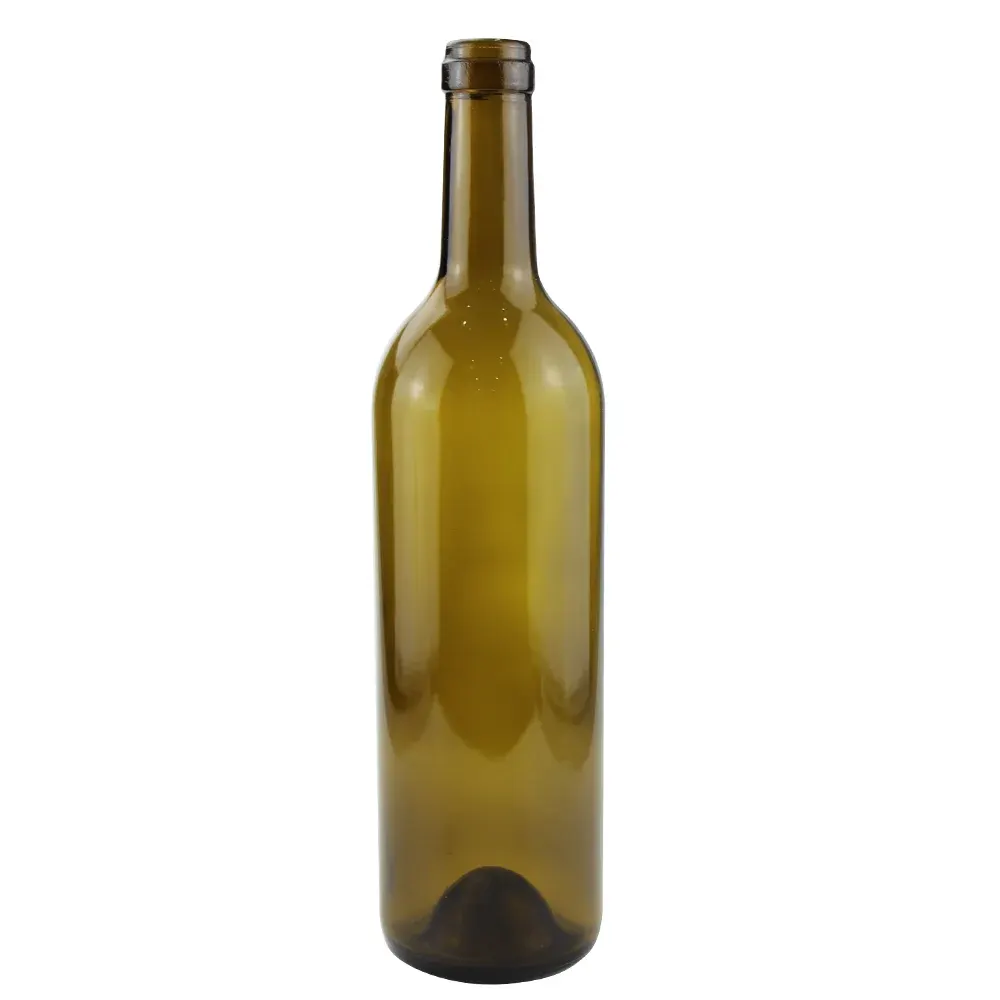
If the project needs a wider half-bottle instead, compare the standard wine bottle sizes, or look through the wine bottle collection for the other shapes.
Why the category settled on 375 ml
The half-bottle follows from how little wine there is. Grapes are picked frozen at −8 °C or colder and the ice stays in the press, so a vine gives roughly one-fifth of what it would for table wine; some estates press for days to fill one barrel. A smaller bottle keeps the wine affordable as a gift, spreads a scarce vintage across more customers and fits the way it is served, in two-ounce glasses. Canada, Germany and Austria, the three reference origins, all standardized on the slender 375 ml.
Glass colour and light protection
Ice wine is more exposed to light damage than most wines. It is bottled aromatic and unwooded, with high residual sugar and volatile thiols, and it is often cellared for five to fifteen years. Lightstrike, the riboflavin-driven sulfur oxidation triggered by 370–450 nm light that also threatens Champagne, is a real risk for a bottle that sits under bright shop lighting or in a windowed gift box.
| Colour | Protection | When to choose it |
|---|---|---|
| Antique green | Blocks roughly 75–85% of the damaging band | The category default; the gold of the wine still shows |
| Dead-leaf green | Slightly more than antique green | For a Germanic look |
| Flint (clear) | Least | Wines sold in opaque tubes or with fast turnover; shows the amber colour best |
| Amber | Most | Rarely used, since most wine buyers associate it with beer |
Closure and decoration
The 18.5 mm bore accepts 24 x 44 mm and 24 x 49 mm natural corks. The longer one is preferred here, both because it seals for longer and because drawing a long cork is part of the occasion. Producers who want a screw cap can have the BVS 30×60 finish on the same moulds. Cork supply is covered on our page about glass bottles supplied with corks.
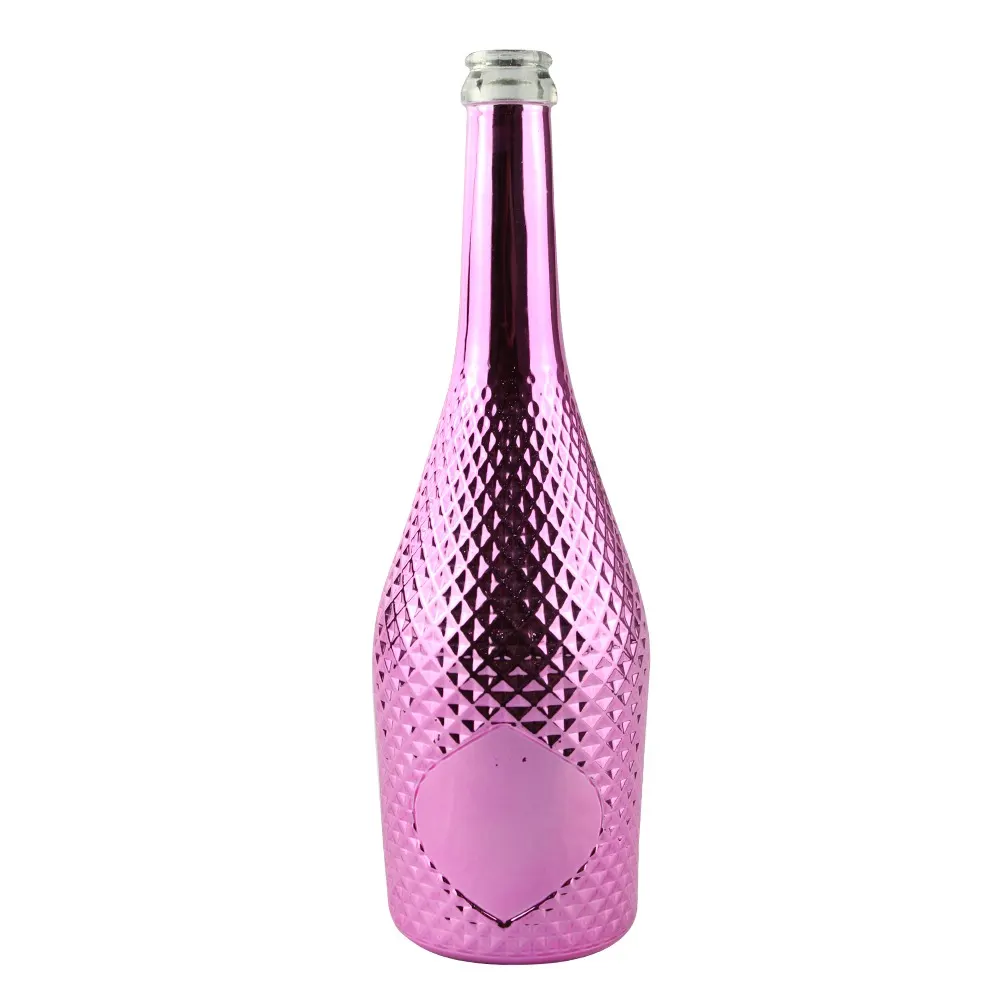
Dessert wine is bought as a gift, so the pack carries much of the presentation. The usual build is a tin or polylaminate capsule in gold or black over the cork, then screen printing or a small die-cut label in place of a full paper wrap, which keeps the narrow body visible. Frosted and electroplated finishes are increasingly used for holiday editions.
Filling-line check before choosing a mould
The slender flute tips over on a conveyor more readily than any other wine bottle. Before committing to the tallest mould available, confirm that the filler's star wheels, conveyor guides and corker jaws accept a bottle 300+ mm tall and 60 mm in diameter. Most modern lines can be adjusted to it; older ones may need guide kits.
Frequently asked questions
Why not bottle ice wine in 750ml?
Frozen-harvest pressing recovers about one-fifth of the juice of a normal crush, so there is very little to sell. The half-bottle makes that small volume go further and suits a wine poured two ounces at a time.
Which cork fits?
A 24 x 44 mm or 24 x 49 mm natural cork in the standard 18.5 mm bore, with the longer length the usual choice.
Green or clear glass?
Antique or dead-leaf green is the safe choice. Keep flint for wine that ships in an opaque tube or sells through quickly.
What is the minimum order for ice wine bottles?
It is quoted per project, because it depends on the mould and the line it runs on. Send the target capacity, neck finish, closure preference, quantity and destination port through the quote request form.
Will a slender bottle run on a standard filling line?
Usually, once the guides and corker are set for the taller, narrower profile described above.