One of our guides on glass perfume bottles; start there for the overview.
Glass potion bottles are small decorative vessels, usually 5ml to 250ml, bought for their silhouette and not for how well they seal. Before choosing a shape, decide whether the bottle is décor or has to carry liquid through distribution: a corked sphere suits bath salts or a shelf display, while fragrance oil that ships needs a standard neck finish and a lined cap. Packing, more than the glass itself, decides whether an order arrives intact.
Decide first whether the bottle is décor or packaging
Most potion bottles are decoration-grade glassware for gifting, home fragrance and cosmetic-adjacent use. They are chosen on looks and on how well they are packed, not on the hermetic sealing that governs a food jar or a perfume atomiser.
Mixing up the two sets of requirements costs money either way. A wedding favour does not need food-jar tolerances. A reed diffuser vessel, on the other hand, may have to hold fragrance oil for two years and deserves a proper specification. Write down which case applies before asking for samples, because it determines the neck, the closure and the tests worth requesting.
Shapes and the uses each one suits
| Shape family | Typical use | What to specify |
|---|---|---|
| Round-ball and spherical, 30ml to 150ml, short neck | Reed diffusers, favours filled with coloured oil or bath salts, Halloween and seasonal décor | A flat spot or ring base, the base diameter, and a matching cork or glass stopper |
| Conical and teardrop flasks | The same channels at a gift-shop level; the "alchemist" look | Gift-box fit; the taper nests more easily than a sphere |
| Heart, star and skull moulds | Weddings, Valentine's, Halloween | Quantities tied to a confirmed seasonal programme |
| Miniature apothecary rounds and square flacons, 10–50ml | Perfume oils, attars, aromatherapy blends | Real sealing performance |
| Long-neck amphora and vintage-medicine shapes | Bud vases, shelf props, table scatter at events | Shape novelty and carton integrity |
The sphere is the shape most people picture, and its tendency to roll has to be designed around. A 100mm sphere on a 35mm base tips over in a retail tray, so put the base diameter in the drawing instead of leaving it to the mould maker.
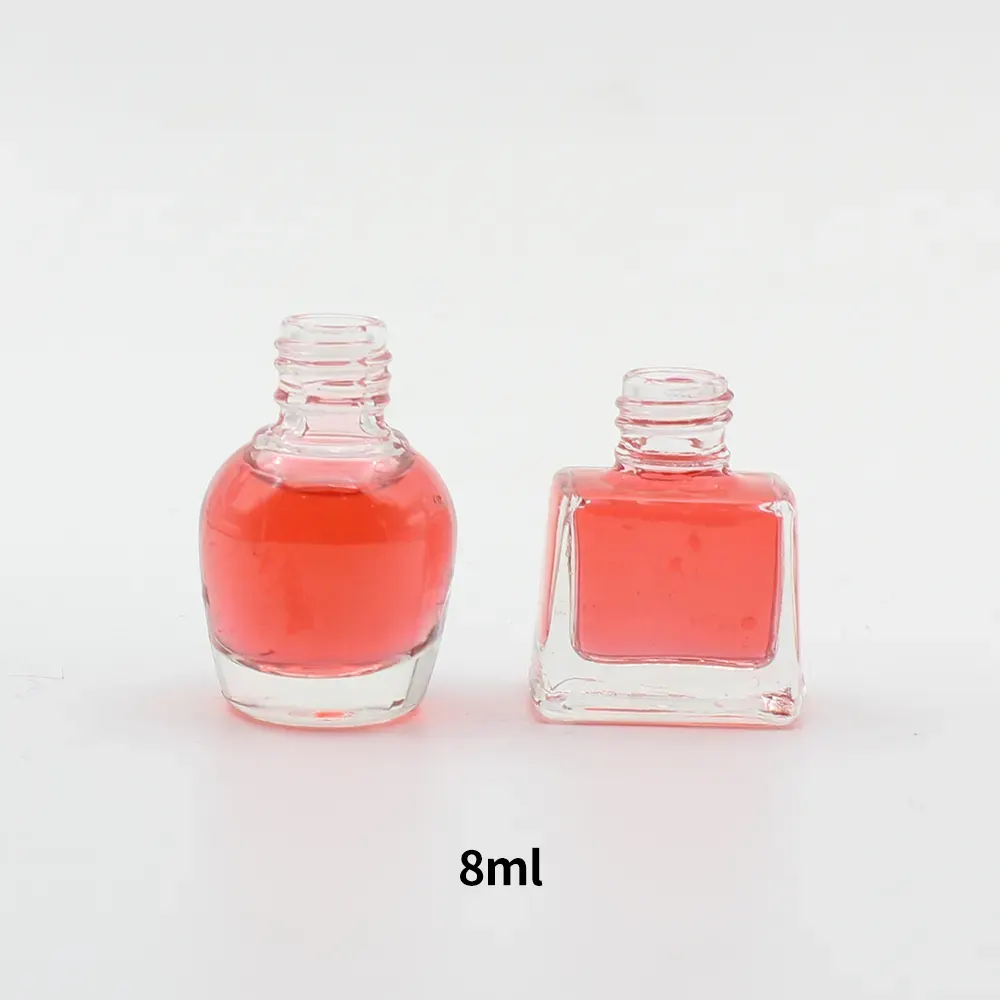
Occasion shapes sell in short seasonal bursts, so buy them against programmes a customer has confirmed, not against a hopeful forecast. The small apothecary rounds and flacons are different again: they cross into genuine product packaging, and buyers there should start from our product-grade miniature bottles. At the far décor end, amphora and medicine-bottle shapes may never contain liquid at all.
How the four buying channels differ
Nearly all volume goes to four channels, and each has its own calendar and quality bar.
- Home fragrance. Diffuser brands and candle-related gift sets use spherical and teardrop vessels of 100–200ml with fragrance oil and rattan reeds. Orders repeat all year. Reeds and collars have to fit, so specify neck inner diameter (ID) to ±0.5mm, and check glass clarity, since the colour of the oil is part of the display. Our guide to reed diffuser bottles, caps and collars covers the product-grade side.
- Wedding and event favours. These arrive as one-off programmes in a single 30–100ml shape. The planner or a contract filler adds honey, bath salts, olive oil or sweets, then corks and tags each piece. The date cannot move, so stock shapes and a realistic schedule matter more than novelty.
- Craft and DIY retail. Marketplace sellers and hobby chains want mixed shapes in small case packs. Their inbound freight is courier, not pallet, so packing that survives parcel handling is the main requirement.
- Seasonal décor. Halloween potion sets and Christmas ornament bottles are ordered well ahead of the season, and these buyers expect new shapes every year.
Closures and what they actually seal
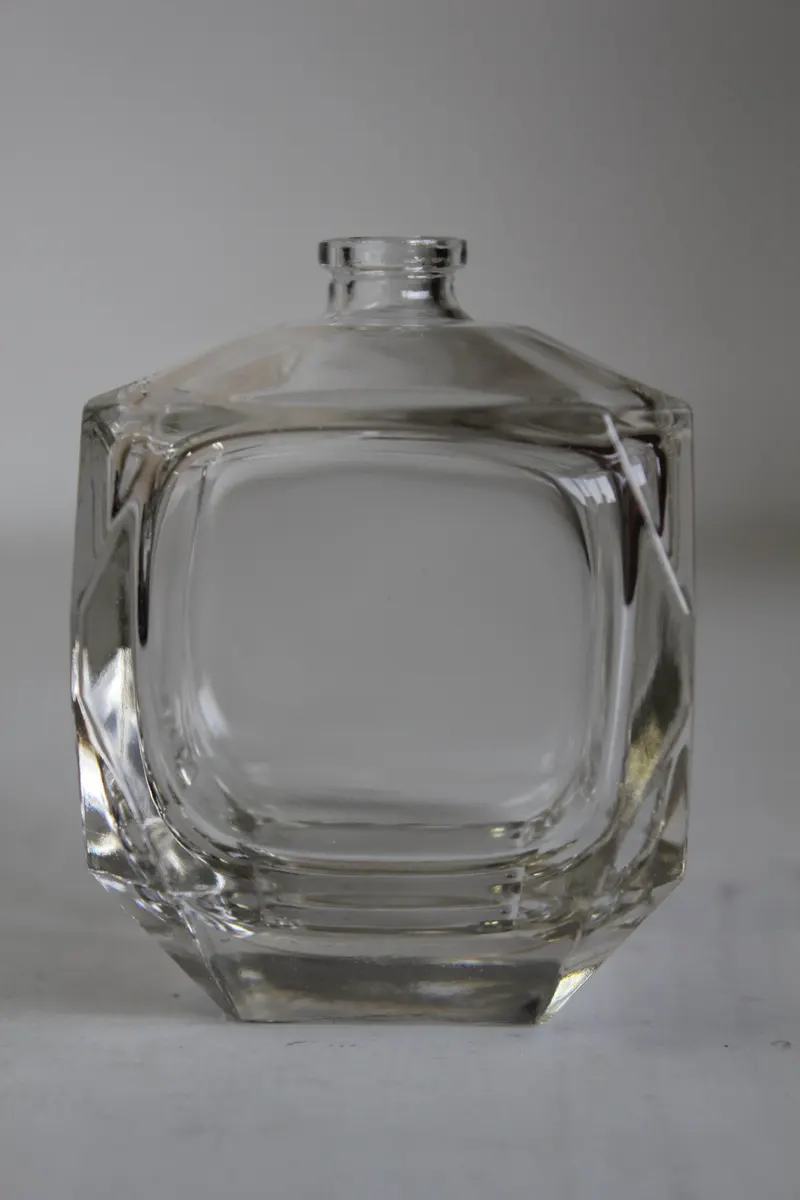
The commonest specification mistake here is assuming the stopper seals. Usually it does not, which is acceptable as long as the contents and the sales channel fit that fact.
| Closure | Suitable for | Not suitable for |
|---|---|---|
| Natural cork, tapered, 8mm to 30mm | Dry contents such as bath salts, coloured sand and sweets; décor pieces; favours with a short shelf life | Liquids in transit |
| Agglomerated or colmated cork | Fillers who insert by machine and need consistent dimensions | Liquids in transit |
| Glass stopper, ground or pressed cone | Oils displayed on a shelf; the apothecary look | Liquids sold by e-commerce |
| Standard neck finish with phenolic cone-lined cap, or reducer plug and cap | Liquids that go through distribution | — |
Cork holds by compression and is porous by nature, so a corked ball of fragrance oil sent by parcel is a leak claim waiting to happen. For a dependable grip that does not crack the neck, size the stopper 0.5–1.0mm larger than the neck ID.
A glass stopper seals better than cork but is still a friction fit. When a potion-shaped bottle truly has to carry liquid to the customer, drop the decorative closure altogether and let the glass carry the look. Our page on bottles supplied with matched corks goes further into pairing closures with a range.
Decoration options and their limits
Decoration is where one potion range separates itself from another. Durability demands are lighter than in food or cosmetics, and visual effect is the goal.
- Spray colour is the high-volume method. Translucent amber, cobalt, emerald and smoke let the contents show; opaque matte black and bone white give the apothecary-goth look. If bottles will be handled on a shop shelf instead of sitting sealed in a gift box, ask for a cross-hatch adhesion test.
- Decals, waterslide or ceramic, carry "Eye of Newt" labels, zodiac prints and brand marks. Fired ceramic decals stand up to handling indefinitely. Organic decals are the more economical choice and adequate for décor.
- Mercury and crackle effects such as silvered interiors, antique-mirror finishes and crackle glazes define the vintage décor segment. They are made by interior silvering or speciality spray and are for dry contents and display only. Tell your own customers so, or someone will fill one and watch it leak.
- Embossing covers raised lettering, ribbed "poison bottle" panels and hobnail textures. It is part of the mould, so it adds no decoration step per piece and never wears off, which suits a shape a brand plans to reorder for years.
Embossing is also the point at which shape development begins. A programme that has outgrown stock silhouettes can move to a proprietary mould through our custom bottle development service, with the tooling spread over seasonal reorders.
Packing, breakage and quantities
These bottles are light, fragile and irregular, and they do not nest. Packing and breakage therefore shape the landed cost more than the glass does.
- Spheres, skulls and teardrops travel in egg-crate divided cartons, one bottle per cell, typically 24–96 pieces per case according to size. Do not accept a quote that relaxes this.
- For any order moving by courier, require the shipper carton to be validated with a 1.2m drop test.
- Allow for breakage realistically. Well-packed decorative ware loses 1–2% in transit; poorly packed ware loses 10% and generates a run of customer complaints.
- For wedding and event work, consider having bottle, cork and tag assembled into the gift box at origin, so the goods land retail-ready and the hand work is not repeated at destination.
Minimum quantities are quoted per project, because they depend on the mould and the line it runs on. Ranges can often be combined: candle-related programmes with glass candle jars, and apothecary-style assortments with apothecary jars bought in bulk, which also keeps a decorative collection visually consistent.
FAQ
What sizes are available?
Roughly 5ml to 250ml. Miniatures of 5–30ml go into favours and ornaments, 30–100ml spheres, hearts and flasks cover favours and diffuser vessels, and 100–250ml formats serve home fragrance and display.
Will a cork stopper hold liquid?
Not dependably. Cork can weep under liquid, most of all in parcel transit. Keep it for dry fills, display pieces and short-term favours, and move liquids that ship to a standard neck with a lined phenolic cap or reducer plug.
Can these bottles be used for reed diffusers and fragrance oils?
Yes. Spherical and teardrop vessels of 100–200ml are the classic diffuser shape. Buy them as product-grade items: hold neck ID to around ±0.5mm, confirm clarity, and use a reducer or cap system for anything entering distribution.
Which finishes can take liquid contents?
Spray tints, decals and embossing sit on or in the outer glass and do not restrict the fill. Mercury and other interior-silvered finishes are for dry contents and décor only.
What are typical MOQs for potion bottle shapes?
They are set per project. The mould and the production line it runs on are the main drivers, along with decoration and quantity.
How should the bottles be packed for shipping?
In divided egg-crate cartons with each bottle in its own cell, and with a 1.2m drop test on the carton when the freight is courier. Packed that way, transit breakage of 1–2% is normal.