One of our guides on glass beverage bottles; start there for the overview.
Two questions settle most of a glass water bottle specification. Is the water still or sparkling, and is the bottle a single serve or a table format? Carbonation fixes the pressure rating, glass weight and closure; the serving occasion fixes capacity and shape. Still and sparkling water cannot safely share one bottle, so a brand selling both needs two specifications, even if they look like one family on the shelf.
Water is also a category where the contents cost almost nothing and the package carries the value. That is why heavy flint glass, private moulds and permanent decoration are normal here when a juice or sauce brand could not justify them, and why the bottle is a brand decision before it is a purchasing one.
Choosing capacity and silhouette for still water
Without internal pressure, a still bottle has room to be lighter in the wall, taller and more adventurous in shape. Four capacity groups cover nearly every still program.
| Capacity | Where it is used |
|---|---|
| 250 to 330 ml | Single serve for airlines, conferences and hotel minibars |
| 500 ml | The worldwide retail standard for bottled water in glass; see our 500 ml bottle sourcing page |
| 750 ml | Restaurant tables and upmarket retail lines; see 750 ml bottles |
| One liter | Family and foodservice channels; see one-liter bottles |
Shape is a trade between line speed and shelf presence. Plain cylinders, the look associated with Scandinavian-style brands, run fast and decorate easily. Faceted or embossed bodies stand out more and fill more slowly.
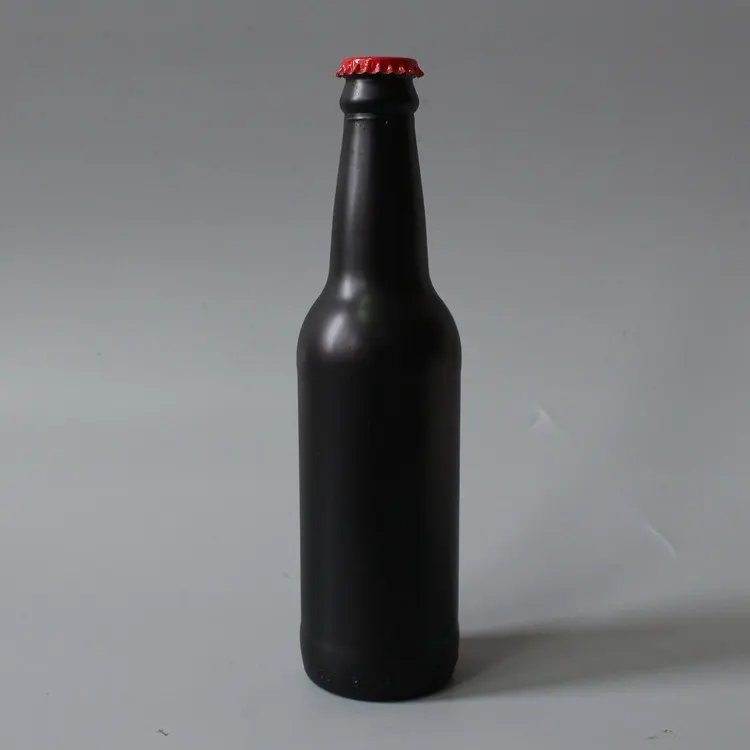
How much a 750 ml bottle should weigh
In still water, weight is positioning. A heavy base refracts light on a white tablecloth and feels substantial in the hand; a light bottle is easier for a shopper carrying a multipack home.
| Positioning | Typical weight, 750 ml |
|---|---|
| Luxury table service, heavy base and thick walls | 450 to 600 grams |
| Mainstream upmarket formats | 300 to 400 grams |
| Lightweight retail multipack | Can fall below 250 grams |
Every gram is paid for twice, once as glass and once as freight. We advise modelling the delivered cost of each weight class before the design team commits to the heaviest drawing.
What carbonation changes in the specification
Sparkling water keeps the bottle under sustained internal pressure for its whole shelf life. The glass has to be pressure-rated, with more material in the walls, and the closure must hold gas for as long as the product is on sale. Rounded shoulders and bases spread the load while sharp transitions concentrate it, which explains why sparkling bottles look more conservative than still ones.
Read a pressure rating as a hard limit. It is stated for a given carbonation volume at a given temperature and leaves no allowance for a slightly livelier fill. Strongly carbonated mineral waters are engineered more like beer bottles than like still-water bottles. A still bottle filled with carbonated product can fail.
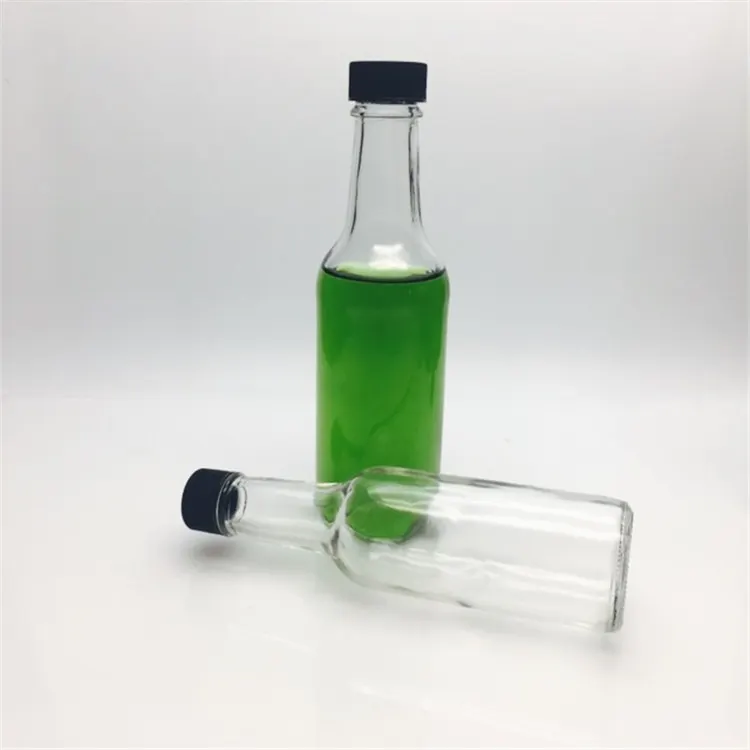
Closures and liners for water
Three closure types account for almost the entire category. Each holds carbonation or a still seal reliably only when the glass finish is within tolerance, so we check the finish drawing against the closure before samples are ordered. Our closure guide for glass bottles goes into the engineering.
| Closure | Typical use | Points to weigh |
|---|---|---|
| ROPP aluminum screw cap (28 mm is the usual size) | Upmarket still water; also used on sparkling | Rolled onto the thread at capping, seals at high line speeds, opens with a clean tamper-band break, takes custom colors and embossing |
| Crown cap | Sparkling water | Fast to apply and proven over a century of carbonated drinks; the drinker needs an opener, which some brands like and others see as friction |
| Swing-top (ceramic stopper on a wire bail) | Refillable and on-premise programs | Reusable and theatrical at the table; the hardware confines it to upmarket and hospitality channels |
The liner inside a ROPP or crown cap is what actually seals, and for water it must be neutral. A product sold on purity shows any liner taste or odor at once. Name the liner material in the specification, then cap samples, store them and run a sensory evaluation before approving a closure supplier.
Glass color and clarity
Clear glass, called flint in the trade, dominates because the visible purity of the water is the message. Standard flint contains trace iron. In thin walls the effect is invisible, but thick bases and punts show a faint green cast. Extra-flint glass is made from low-iron raw materials and stays water-clear throughout, which is why luxury programs specify it as a matter of course.
Color has narrower roles. Light blue hints at an alpine source, deep blue or green suits heritage mineral brands, and amber turns up on flavored functional waters that need protection from light. Our article on blue glass water bottles compares glass colored in the melt with sprayed coatings and covers light transmission by color.
Whatever the shade, write a batch-to-batch color tolerance into the specification using standard references. Water bottles stand on backlit shelves at every fill level, and a case of mixed tints looks defective even when each bottle passes dimensional inspection.
Decoration and how it ties to the mould
Water uses more decoration per bottle than any other glass category. The three common methods behave differently.
- Acid-etch frosting gives the whole surface a satin matte finish that photographs well and masks small variations in the glass. It can be applied to stock bottles, but it alters how inks and labels adhere.
- Screen printing uses ceramic inks fired into the surface. The print survives dishwashers and ice buckets without scuffing, and one to three colors is enough for most designs.
- Embossing is cut into the mould, so the logo can be felt as well as seen. It requires a custom mould and the minimum run that goes with one.
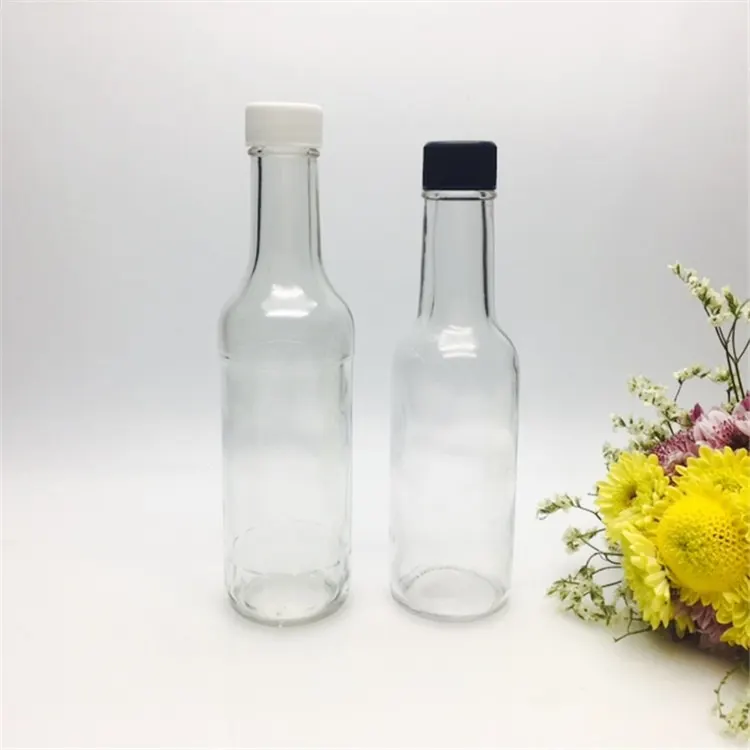
Pressure-sensitive and paper labels remain on value-tier waters and are becoming rare above the mid-market. Settle decoration at the same time as the bottle, because an embossed private mould cannot be repurposed later. Brands planning their own silhouette should read our page on custom glass water bottles before any tooling is commissioned.
Bottles for hotel, restaurant and office refill programs
A growing number of hotels, restaurants and offices filter water on site and serve it in their own branded glass, which removes single-use packaging from the operation. These buyers usually choose 500 ml to one-liter bottles with swing-top or screw closures and fired-on branding.
The quality conversation is different from retail. Shelf-life sealing matters less than how many dishwasher cycles the bottle withstands, how it copes with drops in handling, and how often the cap gasket needs replacing. The bottle is bought once and used for years, while gaskets and swing-top seals become the consumable. State a commercial dishwashing rating in the specification and agree spare-gasket supply in the first contract.
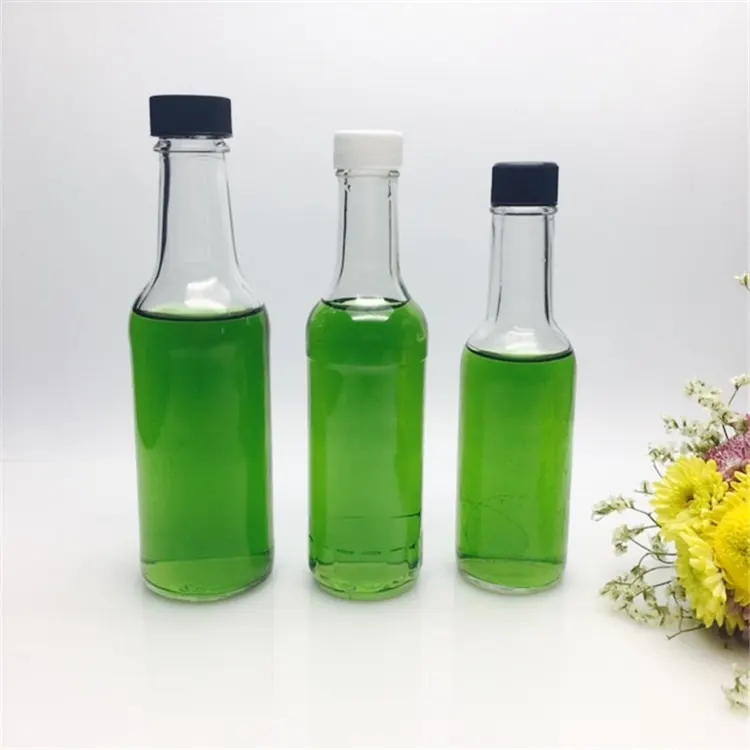
For carafe service and back-of-house storage, compare lidded glass water jugs and our wider notes on reusable glass bottles.
Supply planning, freight and line extensions
Demand for water peaks in summer, and hospitality adds spikes around holidays. Contract bottles against the summer peak and schedule deliveries in spring so the filling line has time to ramp up.
A successful water bottle can stay on the market for a decade, and a private mould cannot be dual-sourced. Supplier stability therefore counts for more than the last fraction of unit price. When we match a custom project to a plant, the plant's financial health, furnace redundancy and maintenance schedule are part of the selection, because an outage in the peak quarter cannot be made good afterwards.
Freight is the other large lever. Bottles are bulky, glass is heavy, and a 750 ml program moves a great deal of weight for each unit of brand value. Lighter glass where the positioning permits, better pallet patterns and a filling site close to either the market or the glass plant change total cost more than unit-price negotiation does.
Plan for line extensions too. Flavored and functional waters use the still-water bottle family, but light-sensitive botanicals may call for tinted glass and pulp or particles for a wider mouth. Juice goes further, adding hot-fill capability and acid-resistant liners, as described under juice bottles in glass. A platform designed for these from the start costs less than re-platforming later. Carbonated soft drinks and kombucha sit in our overview of glass beverage bottles, and brands working out size strategy and freight for the water itself can turn to our guide to bottled water in glass.
Frequently asked questions
Which closure suits upmarket still water in glass?
A 28 mm ROPP aluminum screw cap. It runs on fast lines, shows tampering clearly and can carry the brand through color and embossing. Pair it with a neutral liner confirmed by sensory testing. Swing-tops are the better fit where the bottle is refilled and reuse is part of the service.
Can still and sparkling water use the same bottle?
No. A sparkling bottle needs pressure-rated glass, heavier walls, stress-distributing curves and a closure built to retain gas. Brands with both products run two specifications and tie them together with a shared silhouette language and decoration.
How do flint and extra-flint glass differ?
Flint is standard clear glass, and its trace iron tints thick sections slightly green. Extra-flint is produced from low-iron materials and is clear even at a heavy base. Luxury water programs treat extra-flint as standard because optical purity is part of what they sell.
What minimum order applies to a custom water bottle mould?
Minimums are quoted per project. They depend on the mould, the production line it is assigned to, the decoration and the quantity planned.
How should bottle stock be planned for the summer peak?
Contract the annual volume and weight the delivery call-offs toward spring. Keep safety stock of closures as well, since a missing cap stops the line as completely as a missing bottle. With a private mould, ask about furnace redundancy and the maintenance calendar before signing.