For comparison, most wine, spirits and oil programmes start from 750ml glass bottles.
A 150ml soy sauce bottle works when the pourer works: specify a 28mm or 31.5mm screw finish made to hold a drip-free fitment, and test that fitment with real soy sauce before approving anything. The glass itself is the easy part, typically 140–170g with a brimful capacity of 158–168ml, in flint, amber or antique green. Soda-lime glass does not react with a liquid that carries 16–18% salt, which is more than can be said for metal caps and some plastics.
Start with the pourer and the finish
Soy sauce is thin, creeps along surfaces, corrodes metal and leaves salt crystals at the lip. A table bottle has to pour it cleanly hundreds of times without a run reaching the label. Three parts of the closure system decide whether it does.
- Pourer fitment. A non-drip spout, usually LDPE or PP, pushed into the neck. Flow passes through a calibrated orifice while a separate air-return channel lets air back in. That channel is what stops glugging and the drip after pouring.
- Reflux control. Better pourers have a pull-back geometry that cuts the stream and draws the final drop back inside.
- Overcap. A snap-on or screw overcap covers the spout, carries the tamper evidence and, in foodservice, keeps the pourer clean between sittings.
The neck finish has to suit all three. Most bottles in this size use a 28mm or 31.5mm screw finish designed around the force needed to insert the fitment and to keep it in place.
Water does not behave like soy sauce at the lip, so a pourer that looks clean with water can still drip in use. Run sample trials with the actual product.
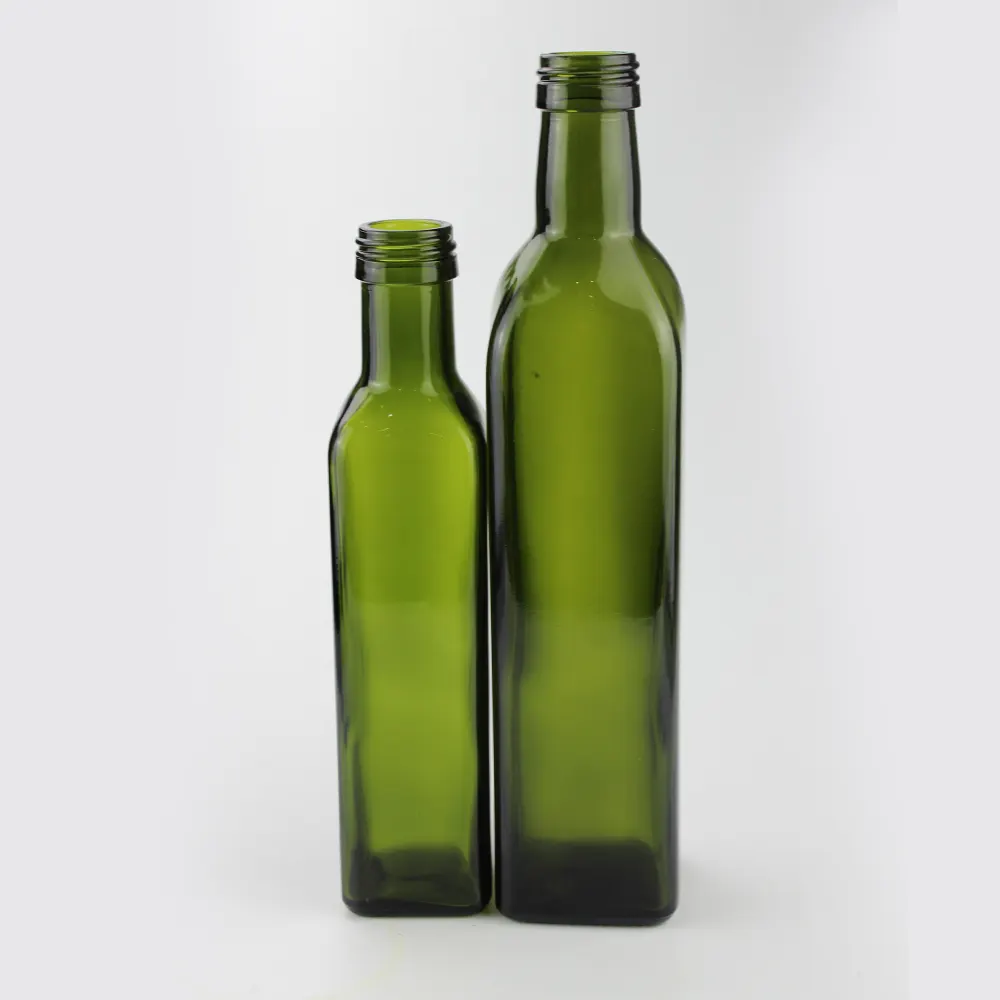
Glass dimensions for standard and heavier bottles
| Specification | Standard 150ml soy bottle | Heavier 150ml (dorica or round) |
|---|---|---|
| Brimful capacity | 158–168ml | 158–168ml |
| Glass weight | 140–170g | 170–210g |
| Body diameter | 50–56mm | 52–60mm |
| Finish | 28mm screw, fitment-ready | 28mm or 31.5mm screw |
| Colour | Flint or amber | Flint, amber, antique green |
A body of 50–60mm suits an adult hand and gives control when pouring. The base stays narrow enough for a crowded table or a condiment caddy.
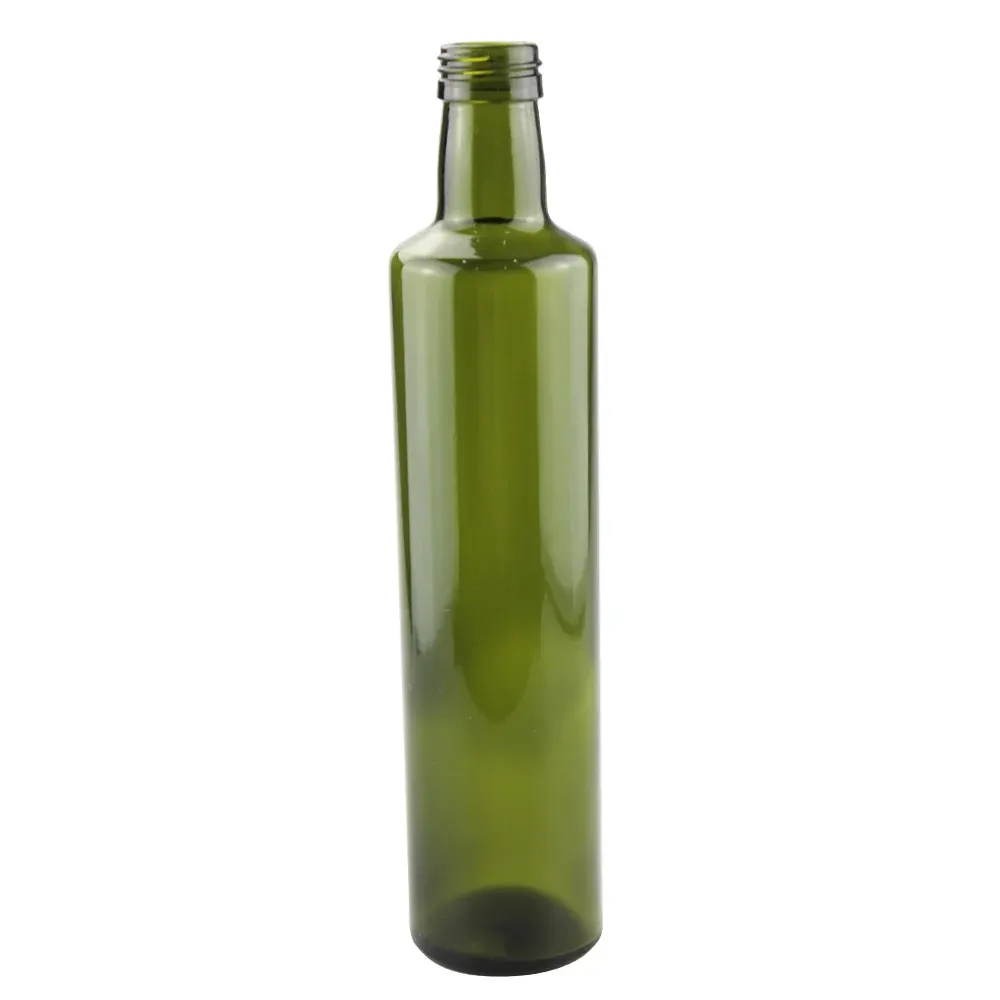
Colour, cap materials and hot filling
Colour
Light gradually dulls the flavour of soy sauce and darkens it further. Flint (clear) glass is common where seeing the product helps it sell. Brands exporting with a long shelf life tend to choose amber or antique green, which screen the 300–500nm band where the damage is done. Our green glass bottle range shows the options in that colour family.
Cap materials
Salt at this concentration attacks metal, so ask for tin-free steel or aluminium caps with food-grade liners. Some plastics can stress-craze after long contact. The glass is unaffected for the life of the product.
Fill temperature
Soy sauce is mostly either hot-filled at 80–85°C or filled at ambient temperature with preservatives. For hot filling, confirm the bottle's thermal shock rating under ASTM C149, with a differential of ≥42°C, and that it is properly annealed. Tell us which process you run when you ask for a specification.
Decoration and food-contact documents
Value lines mostly use full-body shrink sleeves. Higher-positioned lines use screen printing or ceramic decals and leave a clear window so the sauce is visible.
For export, the paperwork is routine but has to exist:
- United States: a food-contact declaration under FDA 21 CFR.
- European Union: a declaration under Framework Regulation 1935/2004, with migration testing to EU 10/2011 where it applies.
- Cap liners: compliance for fat- and acid-contact simulants.
Ask for these per production lot. We collect them from the plant along with the inspection records.
Where the 150ml size fits in a range
In Japanese, Korean and Chinese homes and restaurants the table bottle is a dispensing tool that stays within reach for the whole meal. The 150ml size suits that job. It also empties within weeks in a family household, which matters because soy sauce oxidises once opened, so the flavour stays close to what the brand intended.
Formats of 250–500ml belong in the kitchen and back-of-house. In Western markets the small bottle has a second advantage: it reads as a specialty product, not a bulk commodity.
If your range also includes condiments packed in jars, see our glass jar collection, and for larger shelf-stable family sizes the canning jar options.
What to include in the brief
A workable brief gives a bottle drawing or reference, capacity, closure and pourer type, fill process, decoration, annual volume and destination. Send what you already have through the quote request form and we will match it to a suitable plant and coordinate samples.
Frequently asked questions
What stops soy sauce running down the outside of the bottle?
A drip-free pourer with an air-return channel, held in the neck and covered by an overcap. Designs with pull-back geometry perform best.
Which glass colour should I choose?
Flint for visibility on shelf; amber or antique green when the product travels far and sits long, since both filter the light that degrades flavour and colour.
What are the minimum quantity and the price?
Both are quoted per project. They depend on the mould, the decoration, the order quantity and the freight terms.
Can the bottle be hot-filled?
Yes, at the usual 80–85°C, as long as it is annealed and rated for a thermal shock differential of at least 42°C under ASTM C149.