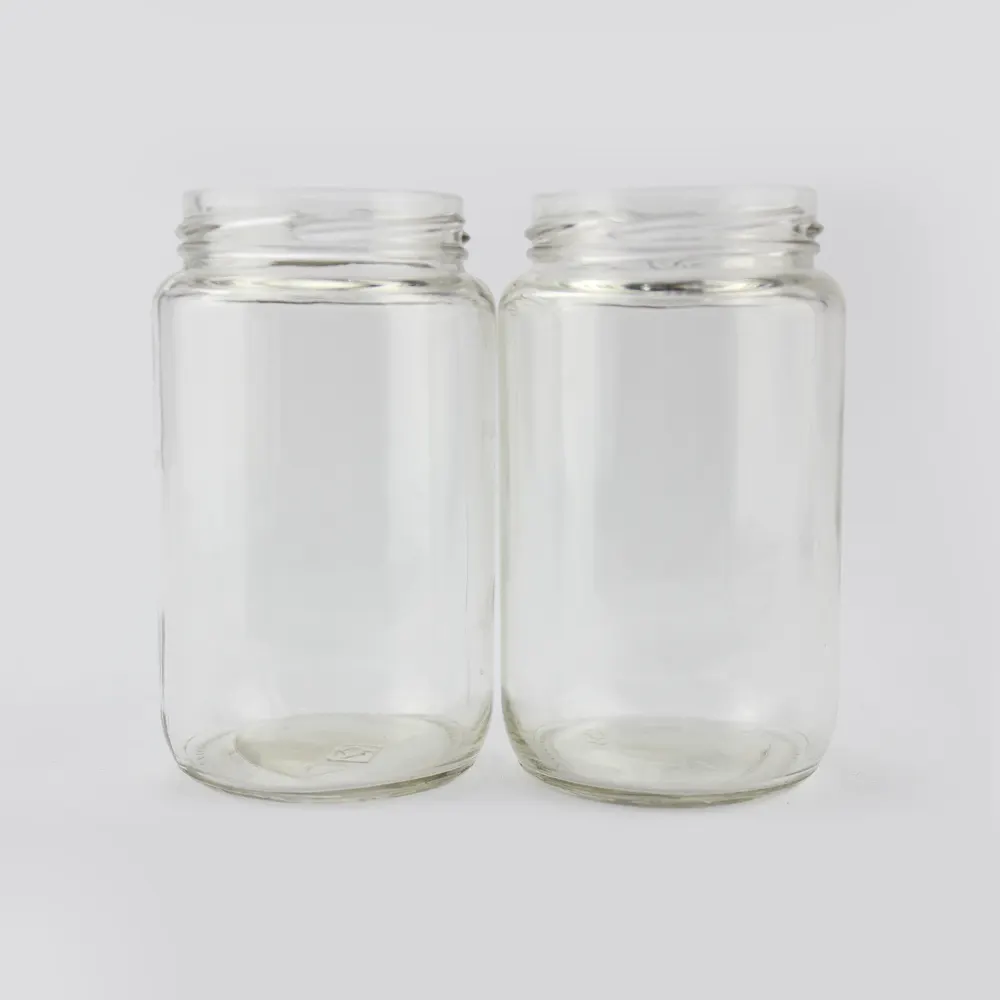
Part of our glass jars with lids range; the stock moulds are pictured at the end of this guide.
A "1 gram jar" is a 5ml to 9ml straight-sided glass jar, not a 1ml container. One gram of viscous concentrate takes up only about 1.0–1.1ml, and the rest of the jar is working headspace. For single-gram retail, buyers almost always land on a 5ml or 6ml jar with a child-resistant or tamper-evident cap, and the cap has to be specified together with the jar rather than afterwards.
Jar sizes for a one-gram fill
Concentrate, extract, cosmetics and sample-kit brands sell by the gram because dosing, pricing and compliance labels are all written in weight. Nobody fills such a jar to the brim, though. Space is left so the product can expand when it warms, so a dab tool can reach in, and so the closure liner has room to seat.
That is what sets the practical range. The 5ml and 6ml jars carry most one-gram retail products, while 7ml to 9ml jars are used for two-gram packs and deluxe samples.
| Model | Brimful capacity | Typical fill | Finish | Glass weight |
|---|---|---|---|---|
| 5ml straight-sided | 5.8ml | 1g concentrate | 38mm / 400 thread or CR | 28–34g |
| 6ml straight-sided | 6.9ml | 1g plus headspace | 38mm CR | 32–38g |
| 7ml low-profile | 8.0ml | 1–2g | 43mm CR | 38–45g |
| 9ml straight-sided | 10.2ml | 2g or deluxe sample | 48mm CR | 45–52g |
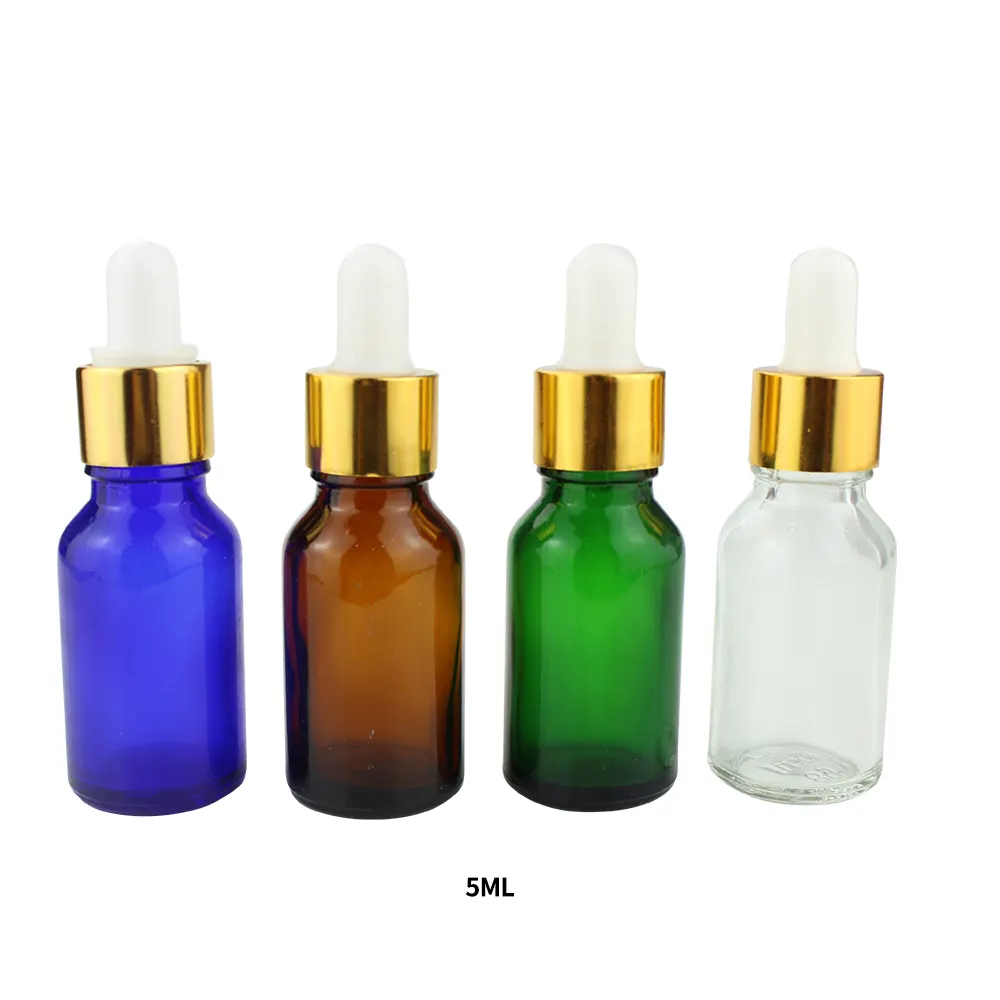
If your project is a bigger container, our glass jar range for bulk orders is the better starting point. Liquid products dosed in similar small quantities are usually packed in roller bottles for essential oils instead.
Tolerances to write into the purchase specification
On a jar this small, a fraction of a millimetre changes how it behaves on the line. A finish that comes in 0.4mm under size lets the back-off torque of a child-resistant cap drop below what the test protocol requires. A wall that is 0.5mm too thin raises breakage in the capping chuck. Three points should be stated in writing:
- Finish bore diameter: hold it to ±0.3mm so the CR cap fits as certified.
- Verticality: a jar that leans seats the liner unevenly, and terpenes leak past it.
- Annealing: small jars cool quickly and can keep residual stress, which appears as base fractures weeks after capping, with no impact involved. Ask for annealing records based on ASTM C148 polariscope inspection instead of accepting a spoken assurance.
Child-resistant closures and liners
In regulated concentrate markets the closure carries the compliance. Child-resistant caps for 5–9ml jars are certified under 16 CFR 1700, the protocol of the U.S. Poison Prevention Packaging Act, and under ISO 8317. The certificate covers a specific jar-and-cap pairing. A cap proven on one jar's finish geometry does not automatically pass on another, which is the trap for buyers who order jars from one supplier and caps from a second.
Liner material needs the same care. PTFE-faced and plastisol liners resist terpenes, and an induction seal is the option when tamper evidence has to be visible on the shelf. For the glass itself, amber screens UV for light-sensitive formulations, and flint (clear) is the usual choice where seeing the product sells it.
Why concentrates stay in glass
Polypropylene jars cost less, but they fall short of the specification in two ways. Terpenes migrate through PP, so aroma flattens within months, whereas nothing migrates through glass. Acidic or solvent-carried extracts can also haze plastic or cause stress cracks, while soda-lime glass stays inert across the pH range of any cosmetic or concentrate formulation.
Plastic is lighter to ship and survives drops better. That is why some brands pack retail product in glass and promotional samples in plastic.
Decoration on a small jar
These jars offer only about 25–40mm of height for a label, so many brands decorate the glass directly. Screen printing in one to three colours is the most durable route. Fired ceramic decals and frosting with a clear window are the alternatives.
A common way to start is a stock 5ml or 6ml mould with a custom CR cap colour and a screen print, moving to a proprietary mould once sales volume justifies it. Whichever route you take, judge the plant as a winery would judge a bottle supplier: spare capacity, documented AQL sampling and export packing records. The supplier checks we apply to wine bottles carry over to jars unchanged.
What to put in the RFQ
We can match a jar and closure to your product when the request states seven things:
- Target fill weight and product type, which decide the headspace
- Brimful capacity or jar model
- Finish specification, and whether the jar-and-cap pairing needs CR certification
- Liner material
- Annual volume and first-order quantity
- Decoration process
- Destination port
Send these through the quote request form. Be wary of any supplier who quotes without asking about your closure or your product: that quote covers a jar, and what reaches your customer is the jar, liner and cap working together.
Frequently asked questions
Do 1 gram glass jars need child-resistant caps?
Where concentrates are regulated, yes. The cap must be certified under 16 CFR 1700 and ISO 8317 on the exact jar it will be sold with.
What is the minimum order for wholesale 5ml glass jars?
Minimums are set per project. They follow from the mould chosen and the line it runs on, and decoration can change them.
Can 1 gram jars carry custom branding?
Yes. Because the label area is so short, screen printing, ceramic decals and frosting are the usual methods, often combined with a custom cap colour.
How long does a wholesale order of small glass jars take?
Timing is confirmed per project once the mould, the decoration process and the line schedule are known.