One of our guides on glass candle jars; start there for the overview.
Wholesale glass candle holders are bought as durable fixtures, so the styles that sell are the plain, repeatable ones: 40 mm tealight cups, 65 mm votive holders, hurricane sleeves and pillar plates in clear flint. What separates a good programme from a bad one is rim finish, wall consistency and whether a reorder years later matches the first lot. Pricing is quoted per project and moves with glass weight, finish, quantity and freight terms.
How a holder differs from a candle jar
A candle jar is filled with poured wax and thrown away or repurposed once it burns down. A holder frames a replaceable candle (tealight, votive, taper or pillar) and is expected to be reused hundreds of times.
That changes who buys and how. Jars go to candle makers in line with consumption. Holders go to event planners, wedding venues, hotels, restaurants and home-decor retailers on replacement cycles that run for years. They are handled, washed and stacked repeatedly, and a ballroom cannot set one table with two slightly different shades of clear glass.
So durability and dimensional repeatability matter more than novelty. A rim that chips after fifty dishwasher cycles, or a base that rocks under a 3-inch pillar, produces complaints that no low unit cost makes up for.
The five styles and who buys them
| Style | Typical size | Main buyers | What to watch |
|---|---|---|---|
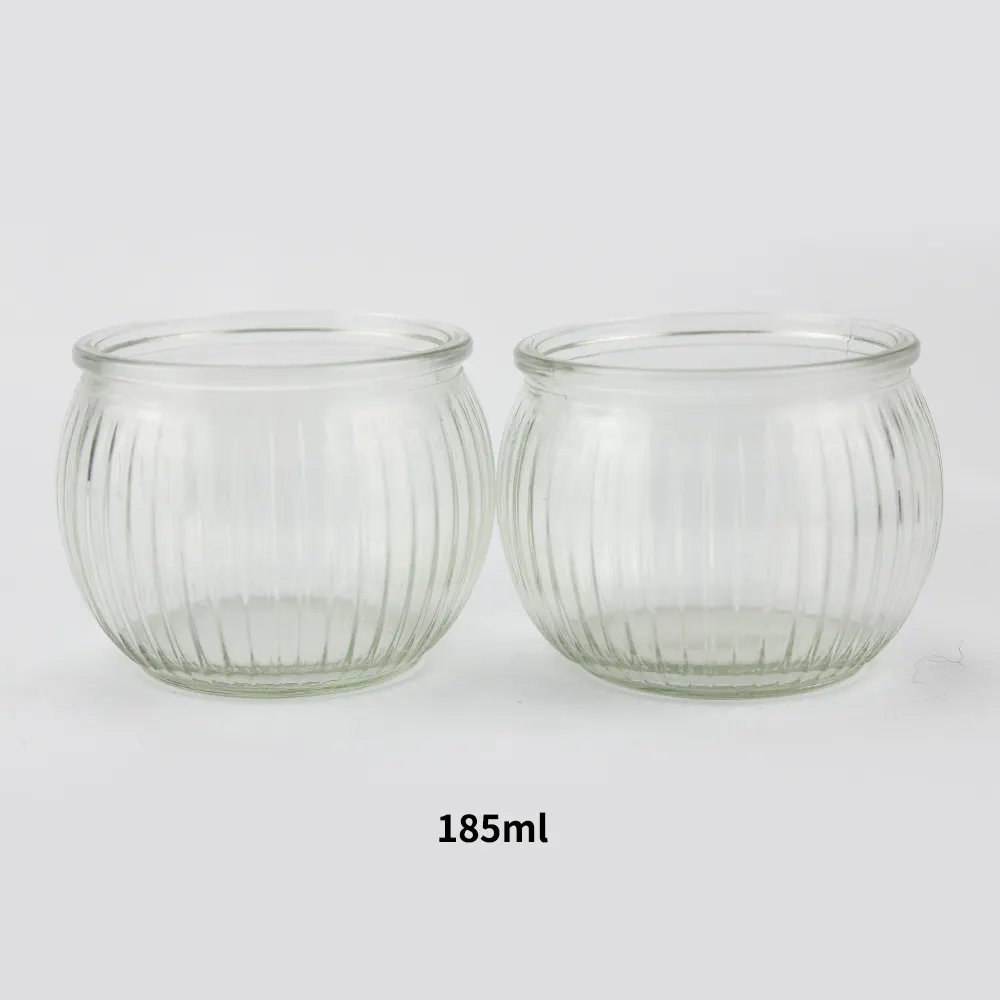
| Tealight cups | 38–40 mm diameter, for the standard 1.5-inch tealight | Restaurants, spas, event rental companies | Weight and rim finish show the quality; the highest-volume style |
| Votive holders | 60–75 mm cylinders and tapered cups for 2-inch votives | Wedding trade | Clear flint leads; mercury-glass and frosted sit above it |
| Hurricane sleeves and chimney shades | Open-ended cylinders, for example 6″ x 3″ | Hotels and banquet venues, for table lamps and outdoor events | Even wall thickness and polished rims, for lamp safety |
| Pillar plates and pedestals | Flat or footed bases for 3-inch and 4-inch pillars; 5″ diameter plates | Home-decor retailers, church suppliers | Stackable designs reduce freight |
| Taper and stick holders | Narrow sockets for dinner candles | Hospitality and holiday retail | A smaller but steadier niche |
Event suppliers often want holders alongside matching pourable vessels. Those are covered in our candle jar range.
What each channel expects
Weddings and events
Buying runs from April through September. The test is photographic consistency: in a 300-piece order, every holder has to look identical on a styled table. This channel accepts a higher cost for frosted, mercury and gold-rim finishes. Rental companies are the volume buyers, and they think in terms of expected utilisation over a five-year life rather than a single event.
Hotels, restaurants and spas
Hospitality buys to replace stock, usually by the pallet under annual terms. Dishwasher durability and stackability come first. Buyers specify to ANSI and food-service safety expectations even though a holder never touches food, and the working benchmark is 500+ commercial wash cycles with no rim chipping and no haze.
Retail and e-commerce
Retailers take mixed assortments for seasonal resets, with the Q4 holiday period accounting for 40%+ of annual volume. They need retail-ready packaging, or at least chip-resistant bulk packing. Recycled content is increasingly requested as a merchandising claim; our notes on recycled glass candle jars apply to holders sold on sustainability as well.
What moves the cost
Three things set the figure: glass weight, finish and quantity. Undecorated flint is the base case, and mercury, frosted or coloured finishes cost more according to the process used.
Consolidation helps. A venue-supply distributor who loads tealights, votives and hurricanes into a single container does better than one buying by the case, and stackable pillar plates lower the freight share. For the jar side of the market, our candle jar cost guide shows a similar curve, driven by consumption rather than replacement.
Durability terms to write into the purchase order
Treat holders the way you would treat tableware. The order should state:
- annealed soda-lime glass, with a polariscope stress report for each lot;
- fire-polished or ground rims on every open edge;
- wall thickness held to ±0.5 mm on hurricane sleeves;
- for hospitality orders, a dishwasher test certificate: 100 cycles with commercial detergent, no haze and no rim chips;
- a thermal-shock rating for anything used with open flame in a venue.
The last point matters because sleeves and chimneys sit millimeters from a live flame and have to take localised heat. Thin or uneven walls are the main reason they crack in service.
Packing and inspection on arrival
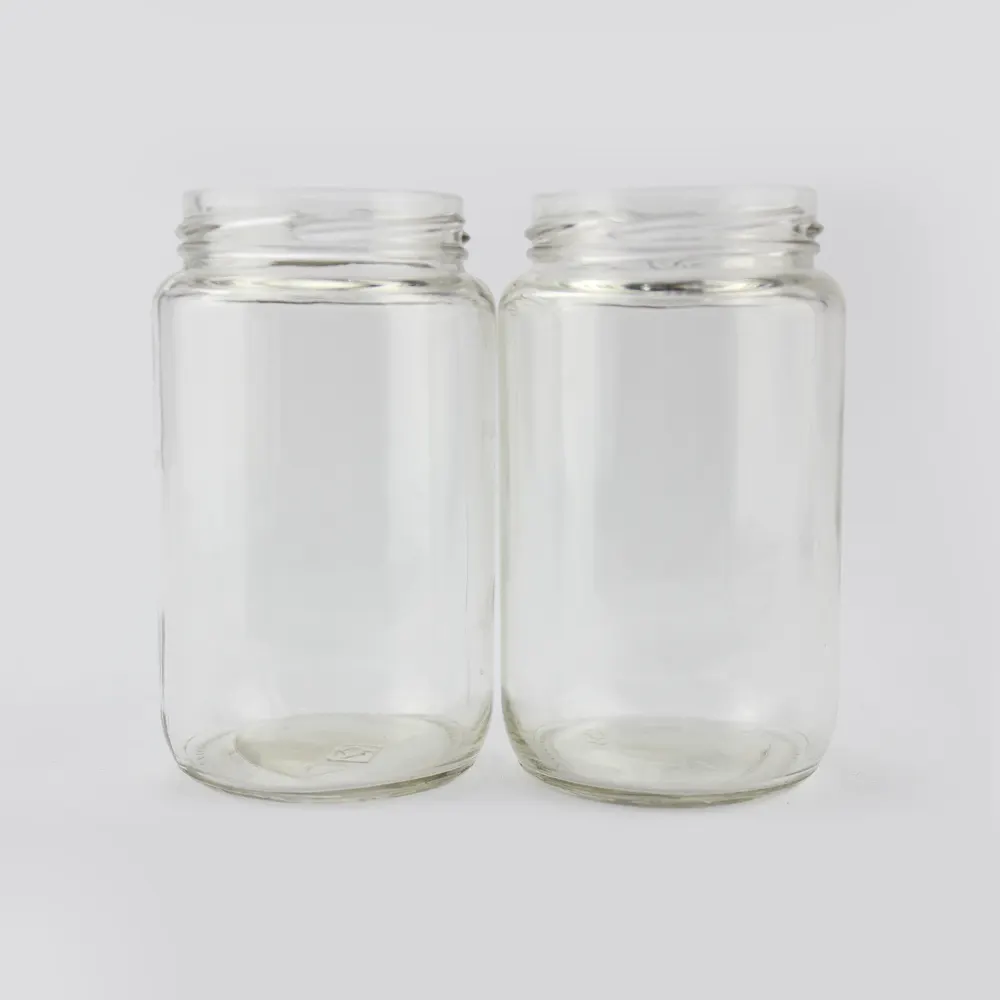
Open rims are unprotected, so holders chip in transit far more readily than jars. Ask for photos of the pallets before shipment showing cardboard dividers between every row.
If more than 2% arrive with broken rims, that is a packing failure and grounds for a claim. The sampling plan in our glass packaging inspection guide can be used to check each lot.
Stock shapes or a custom mould
Most holder programmes run on stock shapes. A custom mould makes sense mainly for hotel portfolio specifications or proprietary retail designs, where the volume and the need for an exclusive shape justify the tooling.
FAQ
What are the wholesale minimums for glass candle holders?
They are quoted per project, since they depend on the mould and on the line it runs on.
Which styles sell best to wedding and event buyers?
Standard 65 mm votive holders in clear and frosted flint lead, with 40 mm tealight cups next for scattering across tables. Mercury-glass and gold-rim versions are chosen for styled shoots and higher-end venue packages.
Can glass holders stand up to open flame?
Yes, if the glass is properly annealed. For sleeves and chimneys, ask for the thermal-shock rating and confirm the ±0.5 mm wall tolerance.