One of our guides on candle jars in bulk; start there for the overview.
A custom candle jar is safe when it is well-annealed soda-lime glass with even walls of 3 to 5mm (for the 200 to 400ml range), a base no thinner than the wall, and test records to prove it. Borosilicate is not required. What a buyer has to settle, in order, is the wall construction, a diameter that suits the wick, a lid that fits the sales channel, and decoration that still looks right after hours next to a flame.
Glass and wall construction to put on the drawing
Soda-lime is the normal material for candle vessels and it does the job, provided annealing is sound and the section is heavy enough. In a full burn the glass beside the melt pool sits at 60 to 80°C for hours, and local hot spots climb above that. The jar has to take this without any weak point.
For a jar between 200 and 400ml, write these points into the specification:
- Wall thickness of 3 to 5mm.
- A base at least as thick as the wall.
- Thickness variation around the circumference held under about 1mm. Uneven walls heat unevenly, and that is the usual cause of cracking in use.
- No thin decorative ribs in the zone the flame reaches.
- Polariscope inspection of annealing. Stress left over from forming cannot be seen by eye, yet it can split a jar weeks after it has been filled.
Drinking glasses, thin storage jars and other decorative glassware are the classic failures in this category. Do not adopt any of them as a candle vessel unless they have been through the same tests as a purpose-made jar.
Diameter, height and fill weight
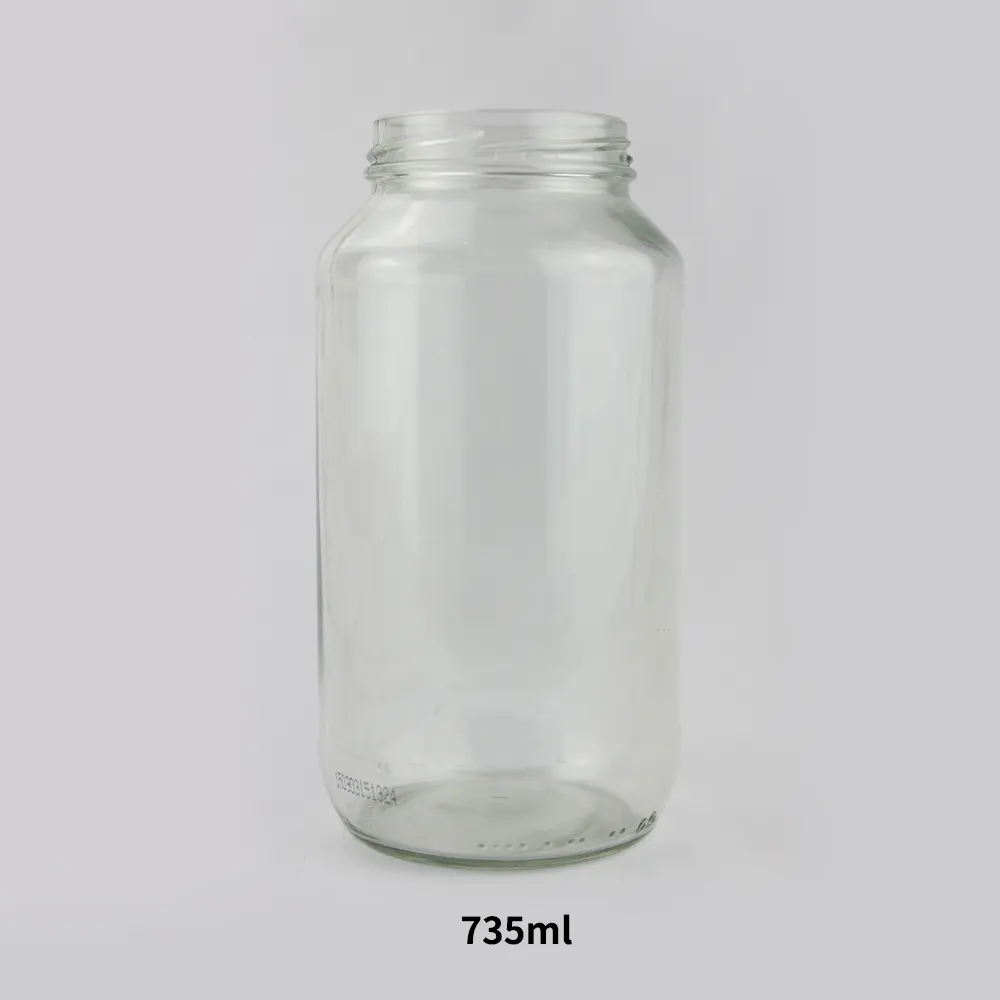
Jar shape decides whether the candle burns flat or tunnels down the middle, so the candle maker should sign off dimensions alongside the designer. The working rule concerns the melt pool: wax should turn liquid from edge to edge in about one hour of burning for each inch of diameter.
A 70mm jar can run on one correctly sized wick. At 90 to 100mm, two or three wicks are usually needed, otherwise a ring of unmelted wax stays on the glass. Proportion matters as well, because a tall, narrow jar runs hotter at the wall than a wide, shallow one.
| Jar capacity | Approximate wax fill |
|---|---|
| 200ml | 160 grams |
| 300ml | 230 grams |
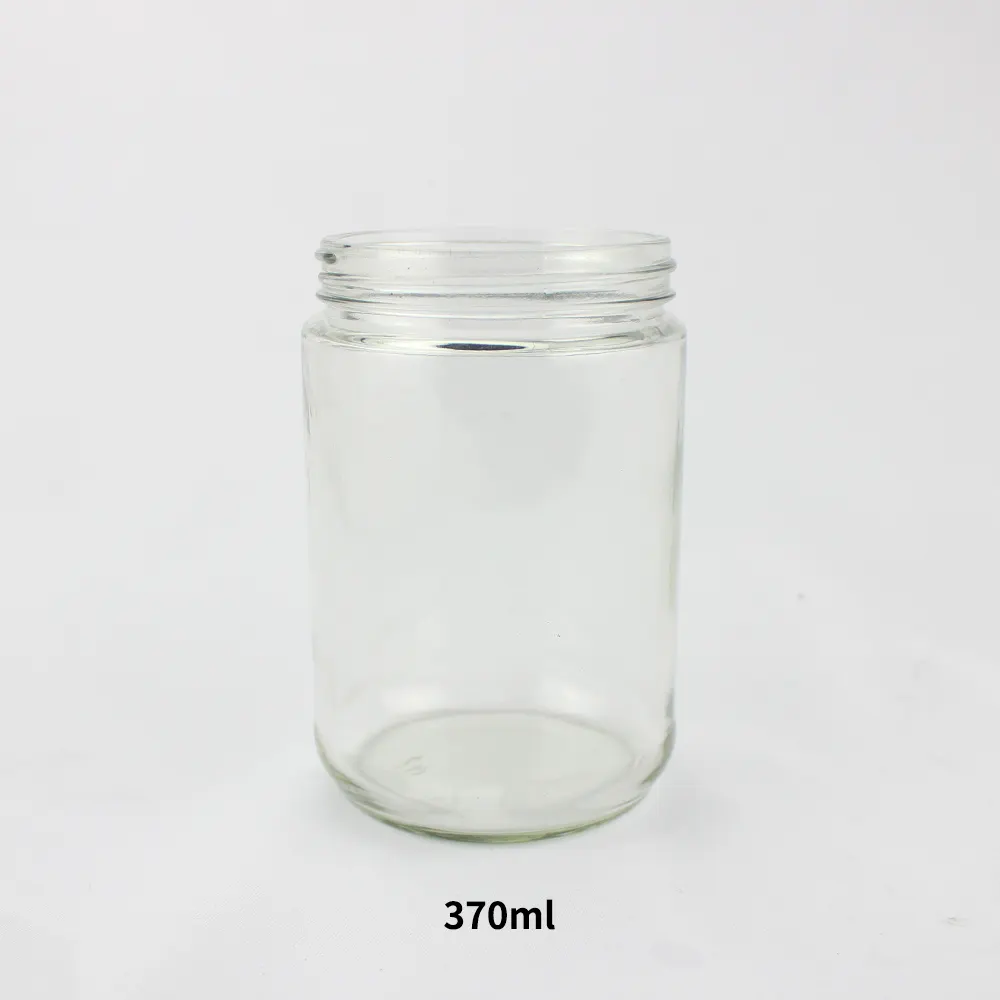
| 370ml | 280 grams |
These figures assume 12 to 15mm of headspace under the rim, which gives the lid room to seat and keeps the flame clear. Finish wax formulation and wick trials before a custom mould is briefed. Moving the diameter by as little as 5mm afterwards can undo the entire burn profile.
Wood, metal and cork lids compared
A lid holds fragrance in between burns, keeps dust off the wax and finishes the look of the product. The three common materials serve different channels.
| Lid | Seal | Where it fits |
|---|---|---|
| Metal, lug or screw | Tightest of the three, and the most durable in shipping | E-commerce, where parcels are handled roughly |
| Wood with a silicone gasket | Sealed by the gasket | Retail and gift lines at the upper end |
| Cork | Light, not airtight | Natural and apothecary-style ranges |
Whichever you pick, check fit tolerance against the jar's neck or rim using physical samples, not a drawing alone. If the candle travels with its lid on, test fragrance retention too: certain gasket materials soak up top notes during a long sea voyage.
Decoration that holds up to heat and wax
A finish on a candle jar faces heat first, then wax, then handling. Judge each process against all three.
- Acid-etched frosting produces the soft matte surface common on mid-market and higher candle lines, and it lasts indefinitely.
- Screen print in heat-resistant ceramic ink carries logos and regulatory text. Ordinary organic inks may discolour on the upper wall over long burns.
- Electroplating in copper, rose gold or gunmetal looks striking in photographs, but keep it away from the rim, where flame and snuffers touch the glass.
- Internal spraying is generally advised against for candles that will be burned, since adhesion close to sustained heat is difficult to assure.
Ask for a decorated sample that has been burn-tested. An hour under a live flame exposes adhesion and colour problems that bench inspection misses. How each decoration level affects cost is set out in our guide to what drives candle jar pricing.
Test evidence to request
Ask for written results, since a verbal assurance cannot be shown to a retailer. Three checks form the core.
- Thermal shock. Jars are moved between hot and cold water baths at a differential of 42°C or more. A correctly annealed jar survives repeated cycles.
- Burn test. The filled, wicked candle goes through complete four-hour burn cycles with wall temperature monitored and hot spots noted, ending with a power-burn down to the last of the wax.
- Scratch and impact inspection. Surface damage concentrates stress, and jars scratched in handling fail thermal tests far more often.
Name the market standards in the specification. ASTM F2417 covers candle fire safety in the United States. In Europe, EN 15493 and EN 15426 deal with fire safety and sooting behaviour. Retailers increasingly want this paperwork at the point of listing.
Sampling order, tooling and quantities
Approve in two stages. First sign off the undecorated jar for dimensions and annealing. Then sign off a decorated sample that has been burned, and only after that release the main run. Candles punish shortcuts here more than most glass categories.
Minimum quantity, tooling cost and schedule are quoted per project, because they follow the mould, the decoration and the order size. If a stock shape would do, compare the formats on our wholesale candle vessel page, which includes lidded options. The wider process for a bespoke shape is described under custom glass jars.
FAQ
Can I use any glass jar for a candle?
No. The jar needs proper annealing, even and sufficiently thick walls, and passes in both thermal shock and burn testing. Repurposed tumblers and thin storage jars are the leading cause of cracking in service.
Which candle jar size sells best?
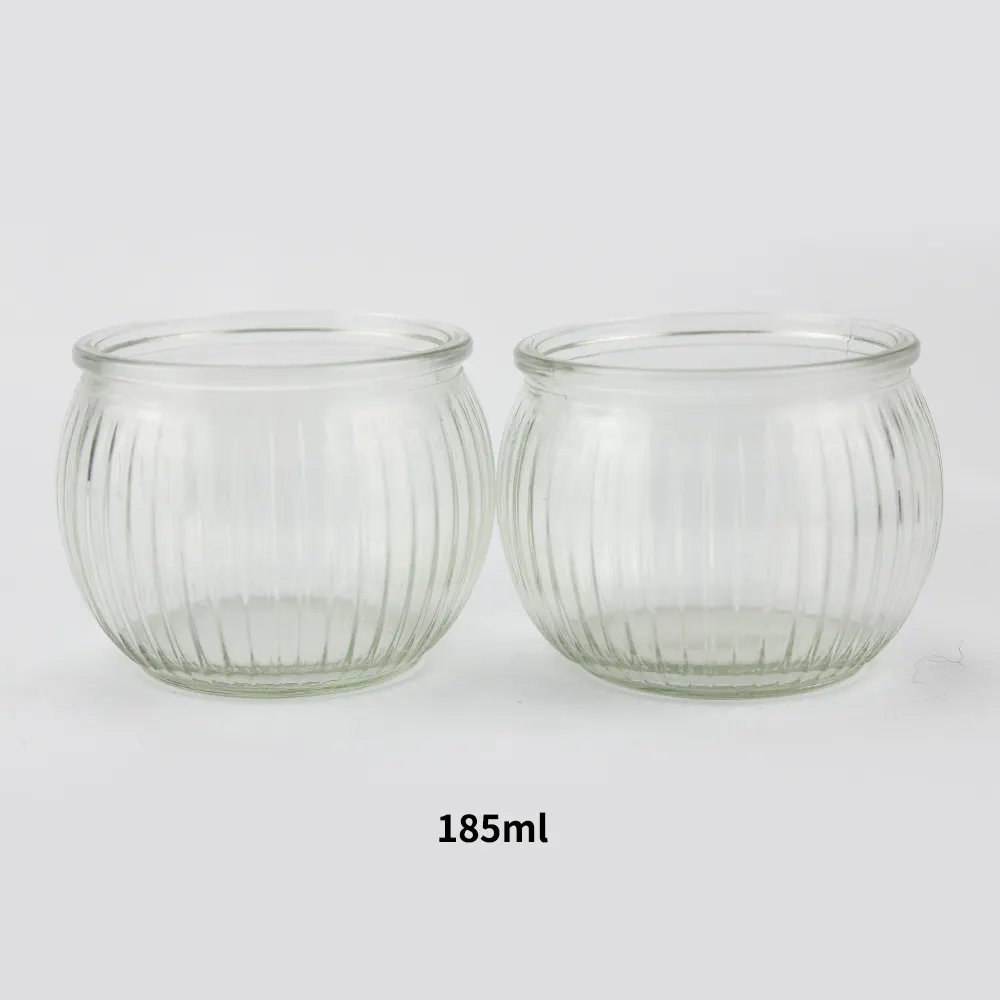
The 200 to 300ml class, about 7 to 10oz of wax, leads at retail because burn time, shelf presence and price point balance well there. Jars of 370ml and above serve multi-wick lines, and 185ml or smaller suits votives and discovery sets.
What is the MOQ for custom candle jars?
It is quoted for each project. The figure depends on the mould and on the production line it runs on.
Does a candle jar need borosilicate glass?
Not if the soda-lime jar is properly annealed and thick enough. Wall construction and evenness matter more than the glass type.