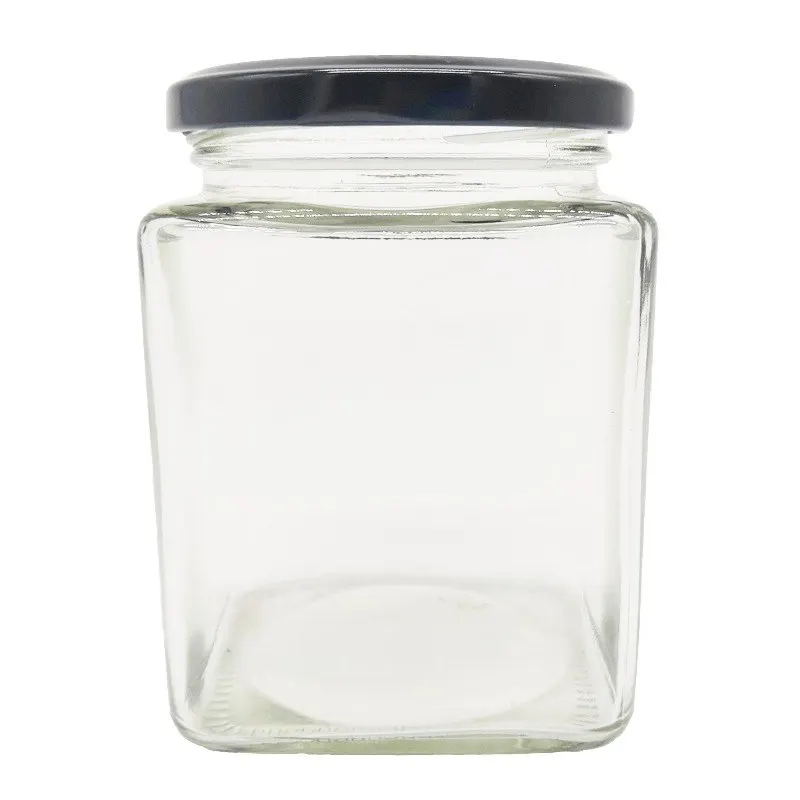
Filed under glass jars wholesale; the moulds we quote for this are pictured at the foot of the page.
A lug cap seals a glass jar with a liner pressed onto the flat rim of the finish, and on a hot-filled product it is the vacuum inside the jar, not the short interrupted threads, that keeps that liner loaded. For high-acid foods and preserves the fill is typically run at 85 to 92 degrees Celsius so that cooling pulls the vacuum. Specify the cap against the finish code on the jar drawing, never against a nominal diameter, and trial the real cap on the real jar with the real product before shipping.
How a lug cap grips and seals the jar
A lug cap, also sold as a twist-off or side seal cap, is a metal closure with three or four short tabs (the lugs) pointing inward from the skirt. A fraction of a turn slides each lug beneath an interrupted thread on the glass, and that draws the cap down onto the rim. The seal is made by the liner inside the shell, usually a plastisol gasket or a rubber compound, squeezed between the cap panel and the flat ring of glass called the sealing land.
The finish matters more than the thread. A lug finish is a set of dimensions that must hold together:
- outer diameter of the sealing land
- height of the land above the shoulder
- depth and position of the interrupted threads
- width of surface available for the gasket
- roundness of the land
Two suppliers can each list a 63 mm lug finish and offer parts that do not work together. Treat the finish code on the jar drawing as the reference, and get any substitution confirmed in writing against it.
Lug count and skirt depth
A three-lug cap closes in less rotation and feels lighter, but it overlaps the glass thread less and reacts more to wear on the capping head. A four-lug cap needs slightly more turn and gives a firmer, more positive lock. The capping line and the closing torque target decide between them.
A deep skirt allows longer lugs, tolerates more variation in finish height and offers more metal to print on. A shallow skirt looks neater on a small jar and is less forgiving.
Lug finish or continuous thread
In the trade, "lug" and "twist-off" mean the same thing on a vacuum jar. The distinction that changes a production line is between that family and the continuous thread finish.
| Attribute | Lug or twist-off | Continuous thread |
|---|---|---|
| Thread form | Interrupted threads; cap drops on and locks in about an eighth to a quarter of a turn | Full helix; cap screws down over two or more turns |
| What holds the seal | Gasket and internal vacuum far more than the thread | Thread engagement plus liner compression |
| Line fit | High-speed vacuum cappers and steam-flow capping heads | Screw cappers; no vacuum needed |
| Reclosing | Not hermetic once the vacuum has gone and the cap has been reopened a few times | Can be reused many times |
| Typical products | Hot-filled products that pull a vacuum and are opened once or twice | Cold-filled or pasteurised products without vacuum, and packs reclosed often |
A continuous thread finish carries a two-part code. The first number is the nominal diameter in millimetres and the second identifies the thread and finish family.
A third type is easy to confuse with these: the press-on or snap-on lug cap found on miniature jars. It relies on the spring of the metal instead of a thread profile, and it tolerates less variation in finish dimensions than a standard twist-off.
When both families look possible, the filling method usually settles it, not brand preference. Shape and end-use selection is a separate decision covered in our glass jar collection.
Matching the closure to the filling process
This lookup works backwards from product and process to closure. Use it to draft a specification, then prove it with a trial on the actual jar.
| Closure | How it seals | Fill it suits | What keeps the vacuum | Typical fault and order of checks | Confirm with the supplier |
|---|---|---|---|---|---|
| Lug cap, plastisol liner (twist-off, vacuum) | Gasket flows and compresses onto the land; vacuum holds the cap down and keeps the gasket loaded | Hot fill, typically 85 to 92 degrees Celsius for high-acid foods and preserves, then cooling | Hot headspace at capping, enough headspace volume, fully seated gasket, steady capping force | Button up or weak pop: fill temperature, then headspace, then liner seating, then land height and chips | Finish code on the drawing, liner compound and thickness, capping force range, capper type |
| Lug cap, dry rubber or PTFE-faced liner | Mechanical compression of a dry liner; vacuum helps but is not the main seal | Cold or ambient fill, or light pasteurisation, where plastisol would not flow or the product cannot take heat | Liner recovery, so hardness and finish flatness count for more than temperature | Leak with no vacuum loss: liner hardness against land width, then ovality, then storage temperature cycling | Why plastisol is unsuitable, and the liner material declared under the destination market's food contact rules |
| Continuous thread screw cap (no vacuum) | Full thread engagement plus liner compression; consumer can reseal | Cold or ambient fill, and packs opened and closed repeatedly | None expected; depends on thread engagement and liner memory over many cycles | Loosening in transit or leaking after repeated opening: thread engagement depth, then liner compression set | Thread turns, the two-part finish code, any induction seal or membrane needed |
| Lug cap on a steam-flow vacuum capper | Steam pushes air out of the headspace, the cap goes on, and the condensing steam creates the vacuum | Products filled cooler than a hot fill that still need a true vacuum | Consistent steam delivery, dwell and cap timing; the process supplies the vacuum, not product heat | Uneven vacuum across a batch: steam delivery, then cap timing, then finish dimensions, then cooling tunnel | That the capper suits the finish, and the expected vacuum band for the target shelf life |
| Lug cap with safety button, pasteurised fill | Vacuum forms as the product cools after pasteurisation; the button shows the pressure difference | Sauces, fruit preparations and some preserved vegetables | Controlled cooling so the vacuum forms evenly and the soft gasket is left undisturbed | Button down but early spoilage: a process or product fault, so review fill and pasteurisation records before changing caps | Full temperature profile from fill to cooling, and that the land withstands gasket compression through it |
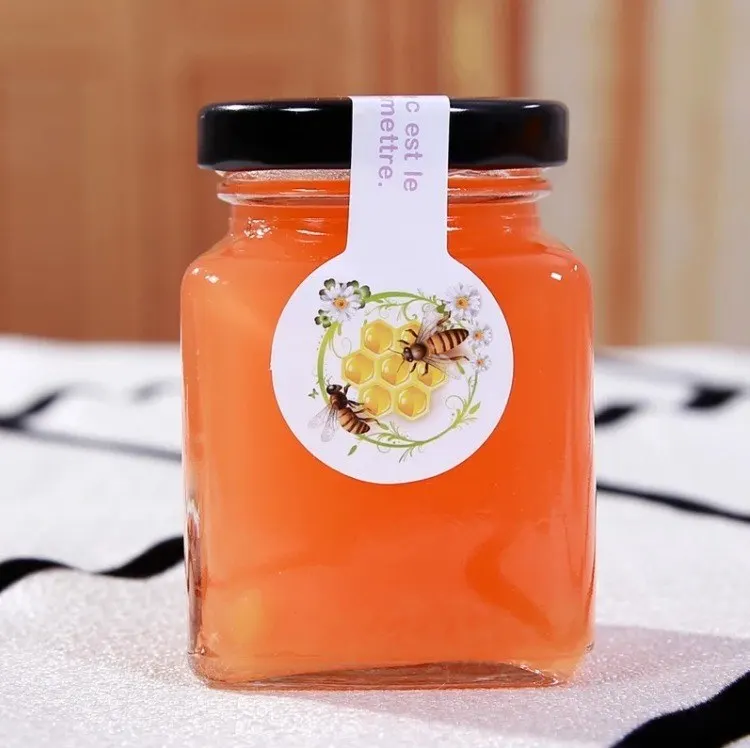
How the vacuum forms after capping
The capper does not make the vacuum. When a jar is filled hot, the space above the product holds hot air and vapour. After the cap closes, that gas shrinks as it cools and the vapour condenses, so pressure inside the sealed jar drops below atmospheric. The resulting pressure difference holds the cap down, keeps the gasket compressed and pulls the button in.
Three process settings control how strong it is.
- Fill temperature. Too cool a fill gives too small a pressure drop. This is the most frequent reason a line that ran well for weeks starts producing soft seals. Too hot brings other risks, so the set point should be validated and recorded for each product and jar pairing, not left to the operator.
- Headspace. With too little, the vacuum has nothing to work on and product can be drawn into the cap. With too much, the vacuum becomes excessive, opening gets harder and a light cap panel can deform. Headspace is a fill-height setting on the filler.
- Cooling. A slow, even tunnel lets the vacuum build gradually and the gasket settle. Fast or uneven cooling leaves jars at the pallet edge ahead of those in the middle, and the spread of vacuum across the batch widens.
Final storage temperature also affects the result. Where a specification sets a vacuum band, it should describe the jar as the consumer receives it, not as it leaves the line.
What the vacuum button does and does not prove
Many lug caps have a raised, flexible button in the middle of the panel, also called a safety button or vacuum indicator. Lower pressure inside the jar pushes it down and keeps it there. When the pressure difference disappears, it springs back.
That is all it reports. A depressed button does not show sterility, does not rule out a gasket that is slowly weeping product, and can mislead if over-torque or a bent panel has jammed it. It is a quick first check on the line and a handy shelf check for a distributor, but it does not replace a defined vacuum test.
Two patterns come up often:
- Button down, product leaking. A mechanical leak under a real vacuum. Examine liner compression and finish defects before touching the capping head.
- Button rises after days or weeks. Slow vacuum loss. The usual causes are headspace volume, fill temperature, liner fit on the land, or a finish dimension that never let the gasket seat.
Where leaks start between cap and finish
The gasket presses on a narrow ring of glass. Anything that lowers the contact pressure on that ring, or interrupts it, opens a path for a leak.
| Source | What happens |
|---|---|
| Sealing land height | Too low and the skirt bottoms out before the gasket is loaded, so the cap feels tight but seals nothing. Too high and the lugs engage too little, so the cap can lift under vacuum. Neither shows on a visual check of the empty jar. |
| Flatness and ovality | No finish is perfectly round, and the specification permits a stated ovality. Beyond it the gasket is firm on the wide axis and barely loaded on the narrow one, giving a slow leak that appears after weeks on shelf, or a cap that sits lower on one side. |
| Chips, checks and mould lines | A small chip on the land breaks the seal at that point however good the remaining finish is. Surface checks and seam lines crossing the land do the same. |
| Cap shell and lugs | Lug depth, skirt height and panel flatness carry their own tolerances. A slightly domed panel limits compression at the centre, and an undersized lug can slip off the glass thread under vacuum load. Caps dent in transit, so their packing deserves the same care as the glass. |
| Liner thickness and hardness | The liner must be thick enough to absorb permitted finish variation, soft enough to conform, and resilient enough to keep pressing. Switching compound without re-trialling capping force is a common reason a line suddenly leaks. |
| Capping force and centring | A cap applied off-centre loads the gasket unevenly and seals only part of the ring. The cause is usually guide rail setup, star wheel wear or a jar not fully seated in its pocket: a line fault that looks like a closure fault. |
Glass defects on the land should be controlled by a visual sampling plan referenced to ISO 2859-1 with an agreed AQL level, not by a glance at a handful of jars.
Balancing seal security against opening effort
Opening a vacuum lug cap involves two efforts. The break-away is the first twist that overcomes the vacuum and releases the seal. The running torque follows as the cap turns off the threads. Consumers judge the pack on the break-away.
A stronger vacuum makes the seal safer and the jar harder to open, which matters most for elderly buyers and anyone with a weak grip. How much it matters depends on use. Honey opened every week by a home user calls for a different balance from a preserve opened twice a year; jar choices for that category are on our honey jar page.
A brand can adjust cap diameter, skirt knurling or a grip feature, lug count and gasket compression. Beyond those, the vacuum itself is set by fill temperature and headspace. Because those are process parameters, the brand, the capper supplier and the jar supplier should agree the torque target as a single specification. A change in fill temperature alone can shift the opening feel noticeably. Judge the result on the range across a full production run, not the average of a few samples.
Spare caps, second sources and lot records
For a hermetic seal, a lug cap is used once. After the vacuum breaks, the gasket has taken a compression set against the land and the interrupted thread cannot hold the cap against a pressure difference. The same cap still closes the jar well enough for dry or refrigerated storage, which is part of why the format suits preserves, but it should not be described as resealable in the hermetic sense.
Spare caps are an ordinary order line. Specify them by the jar's exact finish code. A cap from a second source can look identical and still fail on a jar whose land height or ovality sits near the edge of tolerance, so trial any new jar-and-cap pairing together before the first container ships. A short run with the real product, fill temperature and cooling profile tells you more than a dimensional certificate alone.
Distributors should keep two records for each lot:
- the finish code and the capping force range used
- the vacuum or button state at dispatch
When a customer raises a seal complaint months later, these show within minutes whether to look at the glass, the closure or the filling process.
What to send when asking for a seal specification
Seal problems are nearly always gaps in the specification, not single bad parts, so describe the closure from the process backwards. We need three sets of information to match a project to a suitable jar and closure:
- Jar mouth. Finish code from your drawing, nominal diameter and, if available, sealing land dimensions and the current cap specification.
- Filling method. Hot fill, cold fill, steam-flow vacuum capping or pasteurisation, with fill temperature, the headspace you run and any cooling profile.
- Batch size and destination market. These let closure sourcing and that market's food contact documentation be assessed together.
From that, a proposal can cover closure type and liner, a sealing land specification, a capping force and torque direction to trial, a starting fill temperature and headspace, and the checks that show the seal holds across a whole lot. If a running line is already losing vacuum on part of its output, describe the failure pattern and when it appears. That narrows the cause faster than a full review.
If the jar is a mason format and you still need to compare mouth diameters, capacities and thread styles, start with the mason jar range. Single-serve and sample sizes are covered under mini mason jars. Bring the jar drawing and the closure choice together before the trial.
Frequently asked questions
Can a metal lug cap be reused after opening?
Not as a vacuum pack. It will close the jar for dry or chilled storage, which is how most people use a preserve jar at home, but it should not be marketed as a re-sealed hermetic closure.
What fill temperature does a lug cap need to pull a vacuum?
High enough that the headspace is still hot when the cap is applied. Hot-filled preserves and high-acid foods commonly run around 85 to 92 degrees Celsius. The right set point depends on the product, the headspace volume and the vacuum wanted for the planned shelf life, and it should be validated on the actual jar and cap, then fixed as a process parameter.
The button holds down but product leaks. Where should I look?
At the jar finish first: land height, flatness, ovality, and any chip or mould line across the surface. Next check gasket seating and capping force, then cap centring. Swapping caps or tightening harder will not cure a finish defect.
Do lug caps fit standard mason jars?
Only when the jar has a lug or twist-off finish. Mason jars are made with both lug-style and continuous thread finishes, and the two do not interchange even at the same nominal diameter. Match the finish code on the drawing to the cap specification.
How can vacuum retention be checked without a laboratory?
Look at the button, then twist a cap and compare the break-away resistance with a reference jar kept from the same lot. Both checks are indicative, not quantitative. When a number is required, test a sample from the lot with a vacuum gauge under an agreed sampling plan.
Does a lug cap work on a cold-filled jar?
It closes the jar, but no vacuum forms, so the seal rests entirely on the liner being compressed against the land. That is a valid setup when a dry rubber or PTFE-faced liner is specified for it. It is a different specification from hot-fill plastisol, and the two should not be swapped on the same finish.
What should be agreed before ordering jars and caps together?
The finish code, liner compound and thickness, capping force band and capper type, intended fill temperature and headspace range, and whether the vacuum band is reported at line end or as received. Ask for the land dimensions and permitted ovality in writing.