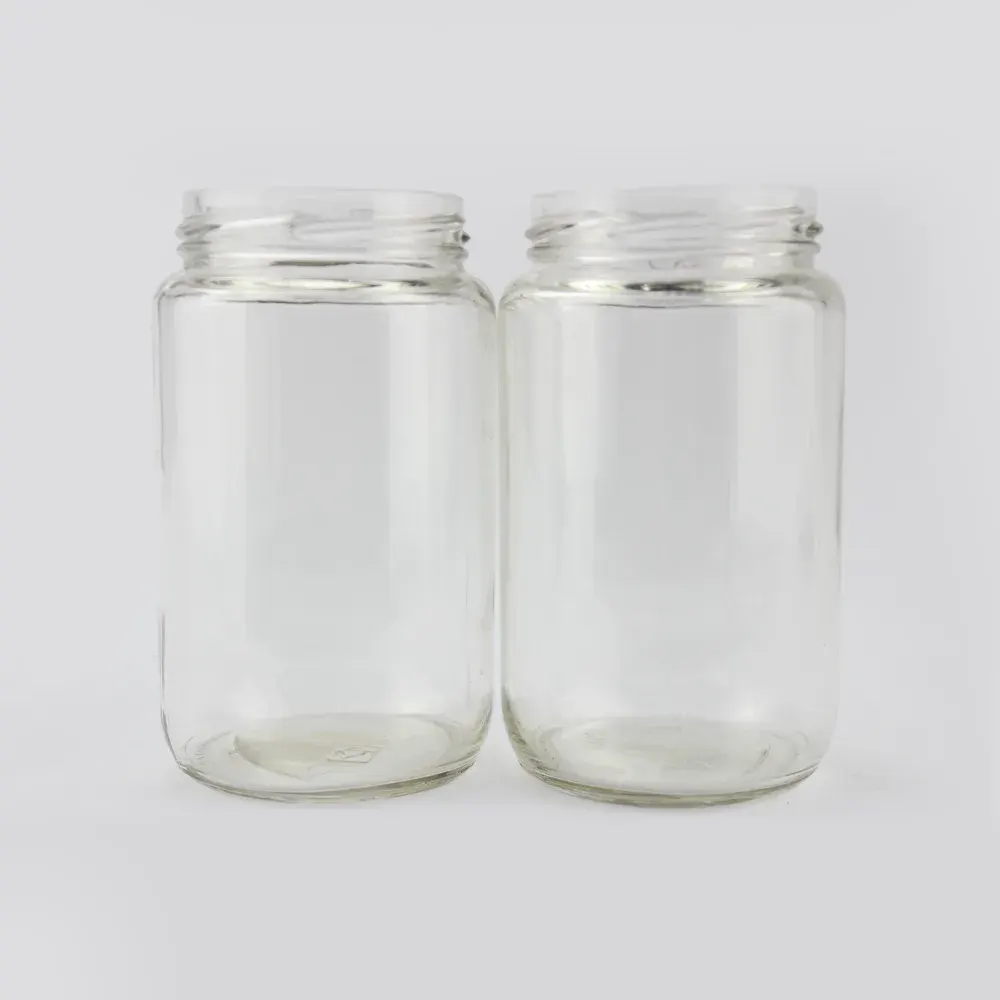
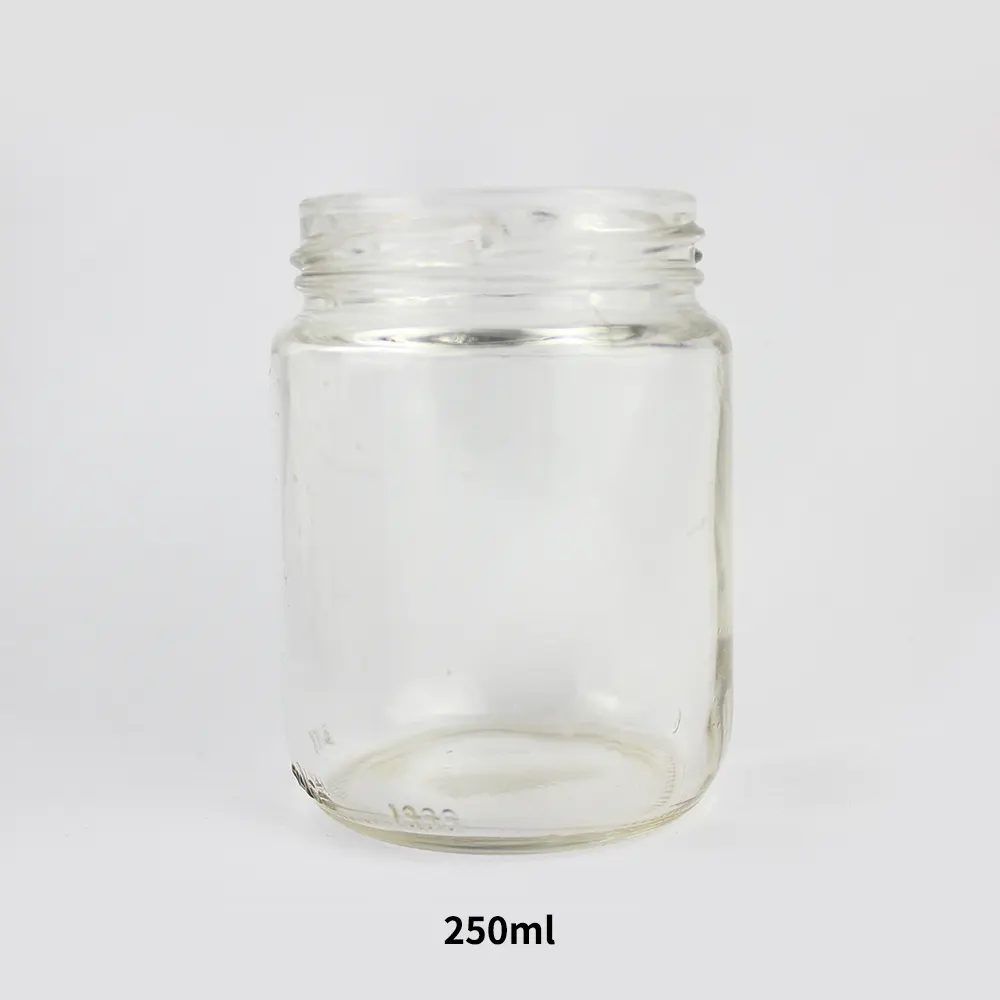
Part of our glass jars with lids range; the stock moulds are pictured at the end of this guide.
Glass jars with cork lids are a storage and display pack for dry goods that will be used within weeks to a few months: spices, tea, whole coffee beans, pasta, grains, confectionery, bath salts. The cork is a compression fit, so it slows air exchange without stopping it, and it should never be specified for liquids, oils or moist foods. Stay inside those limits and the choices left are jar size, cork construction and how the set is branded and packed.
Where a cork seal stops working
Most problems with this format come from asking the closure to do a job it was never built for. Three limits define it.
- It is not airtight. Coffee keeps for weeks under a cork, not months. Products that are sensitive to oxygen or need a long shelf life, ground coffee held for long storage among them, belong in a gasketed or vacuum-sealed pack such as the airtight glass jar range.
- It does not hold liquids. Oil, syrup and preserves wick into cork, break down its structure and can taint what is in the jar.
- It reacts to humidity. Untreated cork can take up moisture, swell and, in extreme conditions, grow surface mould. Treated agglomerated cork largely removes the problem, but it still is not a closure for wet environments.
For humid markets, ask for lids with a light food-grade paraffin or silicone treatment, and keep filled jars in dry shop or pantry conditions. Used that way the set can be resealed for years, which is why households keep the jars long after the first contents are gone.
Jar sizes and the cork style each one takes
Lids are turned or pressed to the inner rim diameter of the jar, typically with a 1-2mm compression fit. A flange of cork or glass that rests on top of the rim is optional on the smaller sizes and usual on the larger ones.
| Capacity | Jar profile | Suited to | Cork lid |
|---|---|---|---|
| 150-250ml | Small round | Spices, salts, teas | Solid tapered cork |
| 400-550ml | Medium cylinder | Coffee, nuts, candy | Tapered cork or flange-top cork |
| 750-1000ml | Tall cylinder | Pasta, grains, flour | Flange-top cork |
| 1.5-2L | Large storage jar | Bulk dry goods, display | Thick flange cork |
Agglomerated or natural solid cork
Agglomerated cork is moulded from cork granules held together with a food-safe binder. Its dimensions are consistent from lid to lid and it costs less, so it is what most volume orders use. Natural solid cork is cut as a single piece from cork oak bark; it looks more refined but its dimensions spread wider.
Both are food-safe. The decision comes down to the price point of the finished product and how precise the fit has to be. If you need a tighter seal with a similar natural look, compare jars with bamboo lids, which carry a silicone gasket.
Whichever cork you pick, test the fit on jars from the actual production lot. Glass and cork each carry small natural tolerances, and a lid that seats well on one batch of jars may sit loose or tight on the next. A sample set lets you check this against your filling line before committing to container volume.
Who buys the format and why
Glass is non-porous and odour-neutral, and the customer sees the beans, granola or pasta without lifting the lid. Cork gives a renewable closure that seats by compression and comes off with no thread and no tool. The pairing photographs well, a real advantage for a private-label product that is sold both on a shelf and online.
Hospitality buyers put the same jar on breakfast buffets, in spa amenity sets and with in-room coffee, because one container displays the product, portions it and closes again afterwards.
Branding and export packing
The glass can be screen printed or decorated with decals. The cork itself takes laser engraving and hot stamping cleanly, and a marked lid is a popular detail on gift sets and private-label lines.
Lids are packed apart from the jars, nested, so they do not deform in transit. Cartons typically hold 6-24 pieces depending on size and are palletised for container loading; a 40HQ takes roughly 25,000-60,000 sets, with the figure falling as capacity rises.
Two neighbouring formats are covered elsewhere: shaker-fitment systems on the wholesale spice jar page, and cork as a stopper for wine and spirits on the page about glass bottles with corks.
Frequently asked questions
What should not go in a cork-lid jar?
Anything liquid, oily or moist, and anything that must be protected from oxygen for a long time. The format does well with whole beans, rice, nuts, spices and craft materials.
Will the lids swell or go mouldy in a humid climate?
Untreated natural cork can do both where humidity is very high. Agglomerated cork with a paraffin or silicone treatment largely prevents it.
What are the minimum order and the price?
Both are quoted per project. They depend on jar size and whether a mould is needed, the cork construction, decoration on glass and lid, quantity and freight terms. Send the jar capacity, closure, decoration and estimated quantity through the quote form.