One of our guides on glass sauce bottles wholesale; start there for the overview.
A stock woozy comes in two sizes that matter, 5 oz (148ml) for retail hot sauce and 10 oz (296ml) for foodservice, and both carry a 24-414 neck finish, so a single cap specification serves the whole line. The bottle only works when the orifice reducer, screw cap and shrink band are specified together with it. Pricing is quoted per project and depends on glass colour, decoration, quantity and freight terms, so the useful preparation is getting the dimensions and the closure right before asking for a number.
Dimensions of the stock 5 oz, 10 oz and mini woozy
"Woozy" names a family of moulds that look alike but differ by fractions of a millimetre, and a capping machine notices those differences. Treat the figures below as typical for the classic profile and ask for the drawing of the exact mould before you order closures or change parts. Usual tolerances are ±0.5mm on the body and ±0.3mm on the finish.
| Specification | 5 oz | 10 oz | 1.7 oz / 50ml mini | Why it matters |
|---|---|---|---|---|
| Brimful capacity | ~155ml | ~305ml | ~55ml | Leaves headspace at a 148/296ml fill |
| Neck finish | 24-414 | 24-414 | 18-415 or 20-410 | The two main sizes share a closure |
| Height | ~187mm | ~230mm | ~120mm | The 10 oz can be too tall for some shelves |
| Body diameter | ~45mm | ~55mm | ~35mm | Sets label width and case layout |
| Glass weight | ~140g | ~210g | ~60g | Feeds the freight calculation |
| Pieces per case | 24 | 12 or 24 | 48 | Standard cartons |
| Pieces per pallet | ~6,300 | ~3,000 | ~15,000 | 100×120cm export pallet |
| Pieces per 40HQ | ~120,000-140,000 | ~60,000-70,000 | ~300,000+ | Sizes can be mixed in one load |
More than 90% of woozy volume is in the 5 oz and 10 oz sizes, which is why co-packers already hold change parts for them.
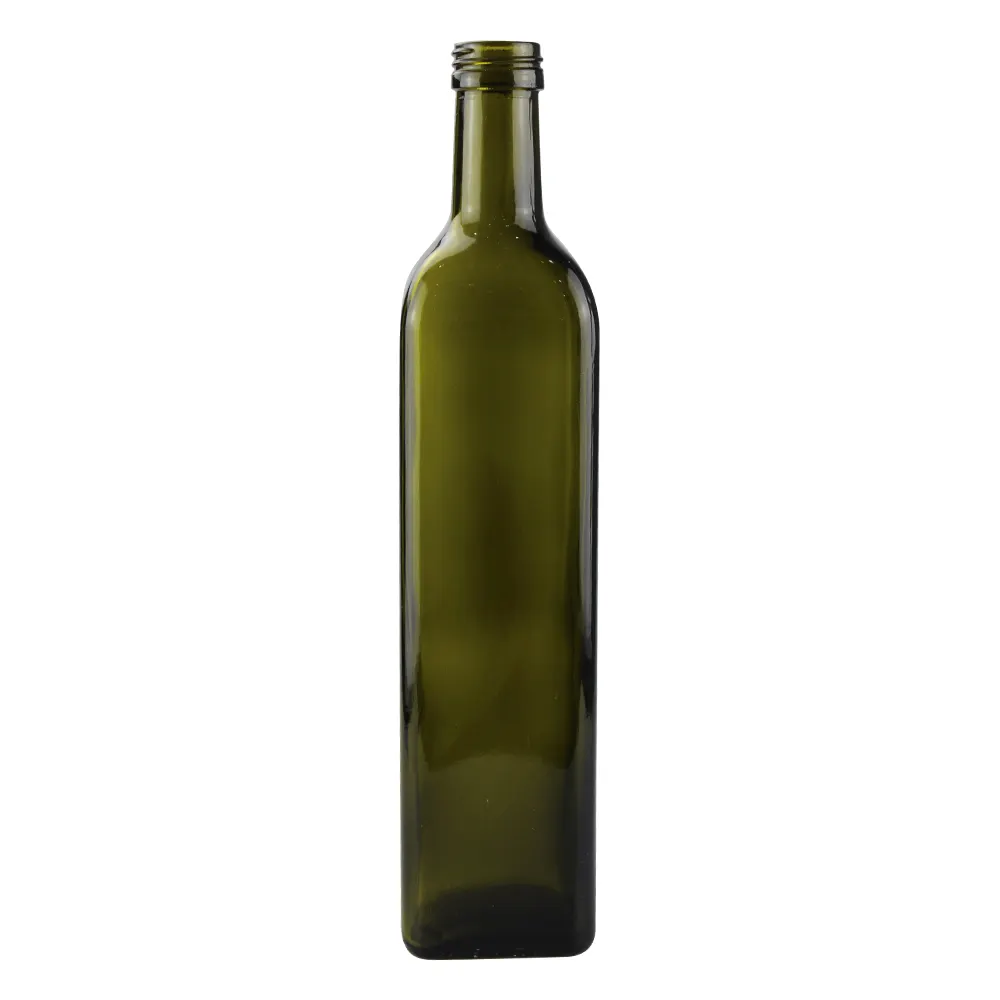
Three details that get missed on the drawing
- Label panel. On the 5 oz bottle the straight wall is only ~90mm high before the shoulder begins to curve. A 4″ label creeps onto that curve and wrinkles, so hold wrap labels below 85mm or use a partial wrap.
- Thread profile. The "414" in 24-414 describes a shallow thread that makes a single full turn. A cap sold simply as "24mm" may be a 24-400 or 24-410, which will cross-thread or leak. Order caps from the finish drawing and ignore the nominal diameter.
- Filler clearance. At 187mm the 5 oz bottle passes under most tabletop piston fillers with 10-15mm to spare. Fit a seating head for the orifice reducer and some of those machines need a riser kit.
The closure kit and how to test it
Buyers choose a woozy for the way it dispenses, and that behaviour comes from the hardware in the neck. Three parts have to agree with each other and with the finish.
- Orifice reducer. This is the LDPE plug that snaps into the neck and meters the sauce into dashes. Openings usually fall between 2.5-4.0mm. Thin, vinegar-led sauces pour well through 2.5-3.0mm, while thick pepper purées need 3.5-4.0mm to flow without hard shaking.
- Cap and liner. Hot fill above 82°C calls for a heat-rated liner. With high-acid sauces (pH <3.6), foam liners last considerably longer than PS liners.
- Shrink band. US retailers in practice expect tamper evidence. A band is the least costly way to provide it, and it gives you a printable surface as well.
Prove the combination before a production run. Fill 50 bottles at the temperature your line really uses, apply caps at production torque (12-18 in-lb is the working range on a 24-414), store them upside down for 24 hours, and then put a packed case through a shipping simulation. A reducer that weeps at a 45°C warehouse temperature shows up in this trial, well before the product reaches a shopper.
Caps you already hold in 24-400 will not do the job on this finish. They can feel secure when applied and still leak once the pack goes through temperature swings, which is why we brief the cap, reducer and band as one matched kit.
Hot fill, food contact and inspection
Hot sauce is hard on packaging. Filling happens at 85-95°C, pH frequently sits below 3.4, and vinegar will find any weak seal. The glass specification that suits this duty is flint soda-lime with an FDA 21 CFR food-contact declaration, lead and cadmium migration reports at Prop 65 limits, confirmation of annealing grade, and a thermal-shock rating of ≥42°C differential.
That rating deserves attention. Sauce at 90°C entering bottles at 20°C is a 70°C differential, so state your fill temperature in the brief and have the annealing and thermal-shock class confirmed against it. Skip that check and the breakage happens on your filler. Bottles taken from refrigerated storage should never be hot-filled.
Give your co-packer these line settings for the 5 oz size:
- Headspace of 6-8mm
- Cap torque of 12-18 in-lb
- Heat-tunnel profile for the band of 160-180°C for under a second
At the plant, functional defects such as finish cracks, checks and stones are inspected at AQL 1.0 and cosmetic defects at AQL 2.5. Cases packed with dividers on shrink-wrapped pallets normally keep ocean breakage inside the standard 2-3% allowance. A stock woozy is designed for still sauce. If your product carbonates or ferments in the pack, ask for an internal-pressure rating first.
Moving from a stock bottle to a custom one
Most sauce brands follow the same route. They launch in stock flint glass with a paper label and stock closures, which needs no tooling. The middle stage is coloured glass: amber or green can be run from the same mould, and our amber glass bottle range shows how that option is structured. At scale, brands commission their own tooling to emboss a logo on the heel or shoulder, adjust the profile, or build an entirely new shape.
Custom moulds take time, and launches slip when a team spends the early weeks debating the outline and then meets revision rounds later. Pick the silhouette early from competitor bottles you can hold, and leave the geometry to the mould maker.
Related shapes are worth including in the same enquiry. The 150ml soy sauce bottle suits Asian-style profiles, 8 oz bottles extend a line beyond the 5 oz, and 2 oz bottles cover small formats. Oil and vinegar products can travel with the sauce order, since olive oil bottles load into the same container.
Container loading and mixed shipments
Woozies are tall and light, so a container fills by volume before it reaches its weight limit. A 40HQ of the 5 oz size holds 55-65 CBM of cartons and weighs ~18-19 tons, comfortably below the 26-28 ton ceiling. The 10 oz size brings a full load to 22-24 tons, and at that weight you should confirm road limits at the destination.
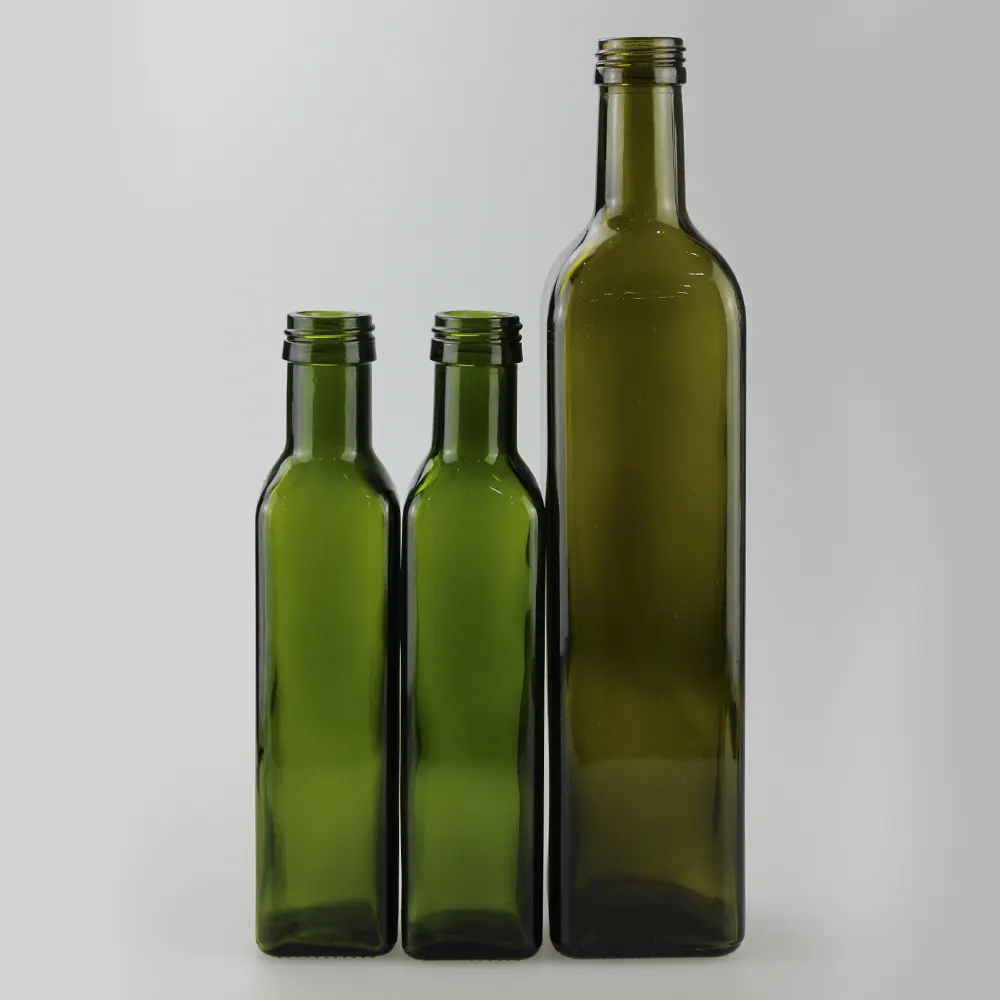
Sauce brands often share a container between woozies and other formats, such as 12 oz ring-neck bottles for BBQ sauce or 100-200ml bottles for sample sizes. Closure kits travel in the empty spaces inside the cartons. For wide-mouth products such as ketchup and mayonnaise, see our guide to condiment bottles.
What to send for a quote
Unit price, minimum quantity and lead time are quoted per project, because they follow the mould, the colour, the decoration and the production schedule. A brief with these five points lets us return bottle, closure kit and freight as a single landed figure:
- Sizes required: 5 oz, 10 oz or both
- Quantity for each size, plus your annual forecast
- Sauce viscosity and fill temperature, which decide the reducer opening and the thermal-shock specification
- Closure kit details: reducer opening, cap colour and liner, plain or printed shrink band
- Destination port or ZIP code, and dock details if a co-packer receives the goods
Frequently asked questions
Can I leave out the orifice reducer?
Only when the product is thick enough to be spooned, such as a chunky relish or salsa. Shoppers expect a pourable sauce to come out in dashes, and a woozy without a reducer empties too fast and draws complaints.
What should I do if a shipment arrives with 5% breakage?
That is above the 2-3% allowance. Before unpacking, photograph the cartons, dividers and pallet, and record the damage on the delivery receipt so a claim can be raised promptly. Woozies generally travel well in full-height dividers. Damage that repeats usually points to handling on one shipping lane, and top sheets or smaller cases tend to cure it.
What is the minimum order for a printed or coloured woozy?
It is set per project. The figure depends on the mould and on the line the bottle runs on, so we confirm it once the colour and decoration are known.
How long does a first order take?
Timing is confirmed per project after the mould, decoration and line schedule are fixed. A stock flint bottle with stock closures is the quickest route.