Part of our series on spice jars wholesale — read the overview first if the format is new to you.
Choose the closure before anything else on a custom spice jar. A grinder top, a shaker fitment and a dual-flap cap each need a different neck finish, neck height and shoulder clearance, so the glass is drawn around the closure. After that, pick a capacity (4 oz is the retail standard), put the branding on the glass where it will survive a kitchen, and collect food-contact documents for the jar and the lid.
Grinder, shaker fitment or dual-flap cap
In this category the closure is how the cook uses the product. Three systems account for most jars.
| Closure | How it is built | Suits | Effect on the jar |
|---|---|---|---|
| Adjustable grinder top | Ceramic or carbon-steel mechanism inside a PP housing | Peppercorns, sea salt, finishing blends | Neck made to the grinder's snap or thread specification, which usually means custom or semi-custom tooling |
| Shaker-orifice fitment | Snap-in sifter insert under a screw cap | Ground spices and herbs | Hole pattern matched to particle size: small holes and a flap for fine powder, open pour slots for coarse rubs |
| Dual-flap cap | Sift side and pour side in one lid | Rubs and blends used both ways | Neck finish matched to the cap chosen |
Ask for fit samples and torque specifications for the chosen grinder or fitment before committing to a mould. Our salt and pepper shaker range shows related specialty formats.
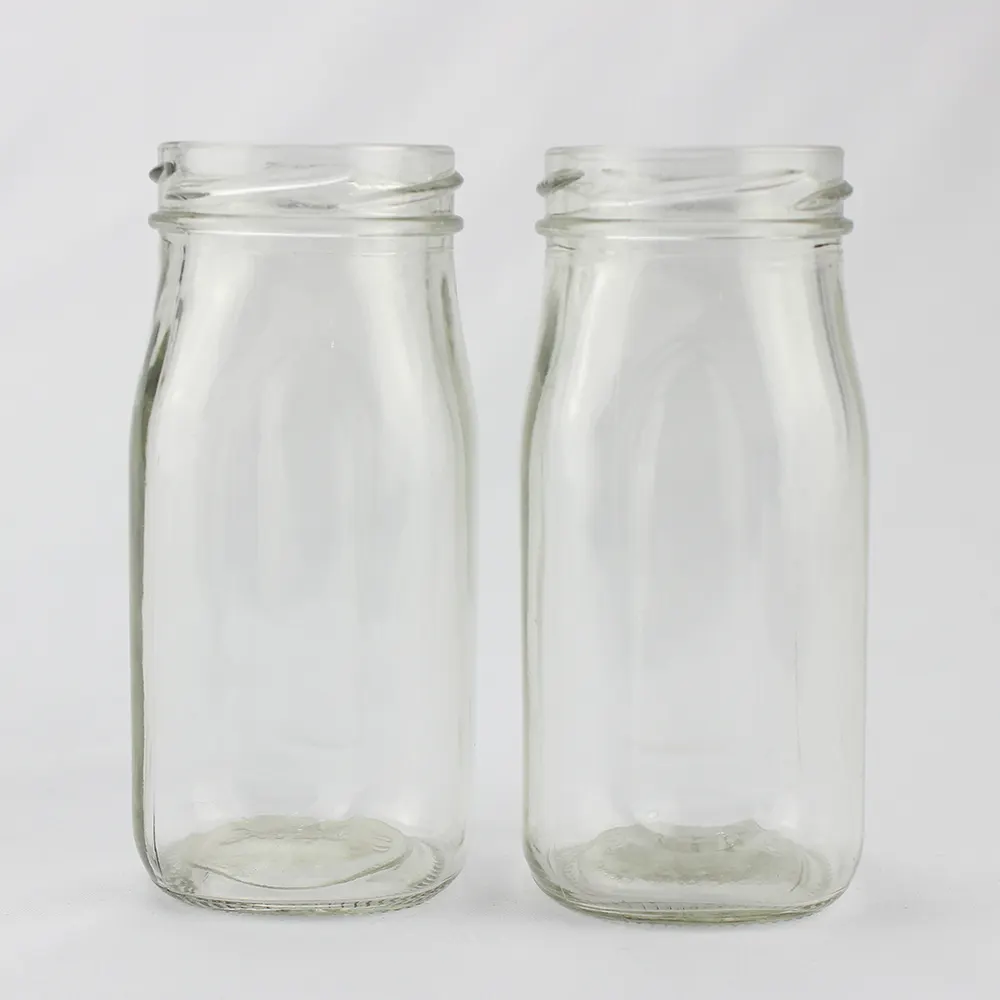
Capacities from 2 oz to 8 oz
Spice retail runs on a short list of sizes. Jars are sold by volume in fluid ounces, while spices are sold by weight, so fill weight depends on the product. A 4 oz jar takes roughly 40 to 70 grams of most ground spices and much less of a bulky leafy herb.
| Jar size | Approx. fill, ground spice | Main channel | Comment |
|---|---|---|---|
| 2 oz / 60 ml | 20-35 g | Gift sets, sampler boxes, single-origin lines | Good margin per gram; works well in DTC bundles |
| 4 oz / 120 ml | 40-70 g | Core retail shelf | The category standard; fits most supermarket spice fixtures |
| 6 oz / 180 ml | 60-100 g | Club stores, keen home cooks | A growing size for rubs and blends |
| 8 oz / 240 ml | 90-140 g | Light foodservice, refill, value tier | Check that it clears the retail shelf height |
Many brands launch in 4 oz and add the other sizes once sales velocity is proven.
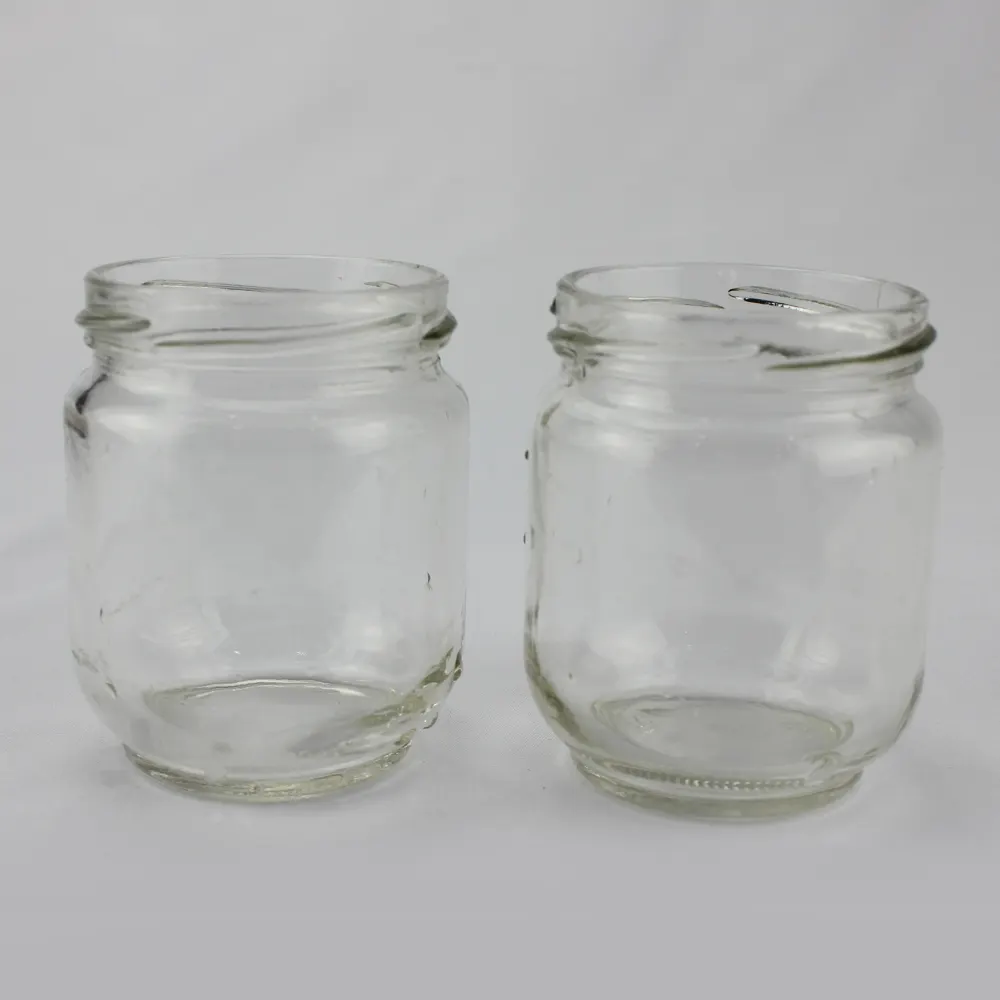
Shape, shelf fit and case pack
Supermarket spice fixtures are standardised. In the core size range, most US spice shelves take jars up to roughly 4.5 inches tall, and jar diameter decides how many facings fit in a foot of shelf.
Shape is an operational trade-off worth modelling. Square and hexagonal jars use shelf and case space more efficiently. Round jars run faster on a filling line.
Specify the case pack, typically 12 or 24, together with the case dimensions, so that both the co-packer and the retailer can handle it.
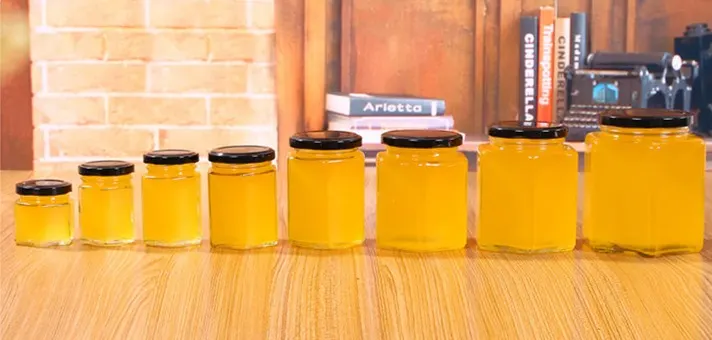
Branding that survives steam, grease and washing
Spices are bought again and again with little thought, so shoppers reach for the jar they recognise. That recognition has to last in a kitchen, where steam, grease, wet hands and repeated wiping or dishwashing make paper labels lift, stain and fade. Serious custom lines therefore move the branding onto the glass.
Screen printing in one or two colours, with ceramic or UV inks, withstands years of that treatment. When the print area is designed:
- define a flat or gently curved zone and keep artwork inside the cylinder tangent, so squeegee contact stays even;
- keep text no smaller than about 6-point for legibility;
- leave a clear window or unprinted band, because seeing the spice signals freshness.
An embossed mark on the shoulder or base adds a permanent, tactile signature. Frosted or sprayed finishes set a higher-tier line apart. If you stay with paper, a recessed label panel of 1.5 to 2 mm keeps the edges from lifting. The full list of decoration methods is on our custom glass jar page.
Food-contact documents for jar and lid
A spice jar is food-contact packaging. Specify soda-lime glass with migration and heavy-metal test documentation against FDA 21 CFR and EU 1935/2004, plus LFGB if you sell in Germany. Lids and fitments should be food-grade PP or PE with liners suited to dry goods.
Reports should come from a third party, be recent, and refer to the actual production materials for both glass and closure. The standards themselves are explained on the page about food-grade glass jars.
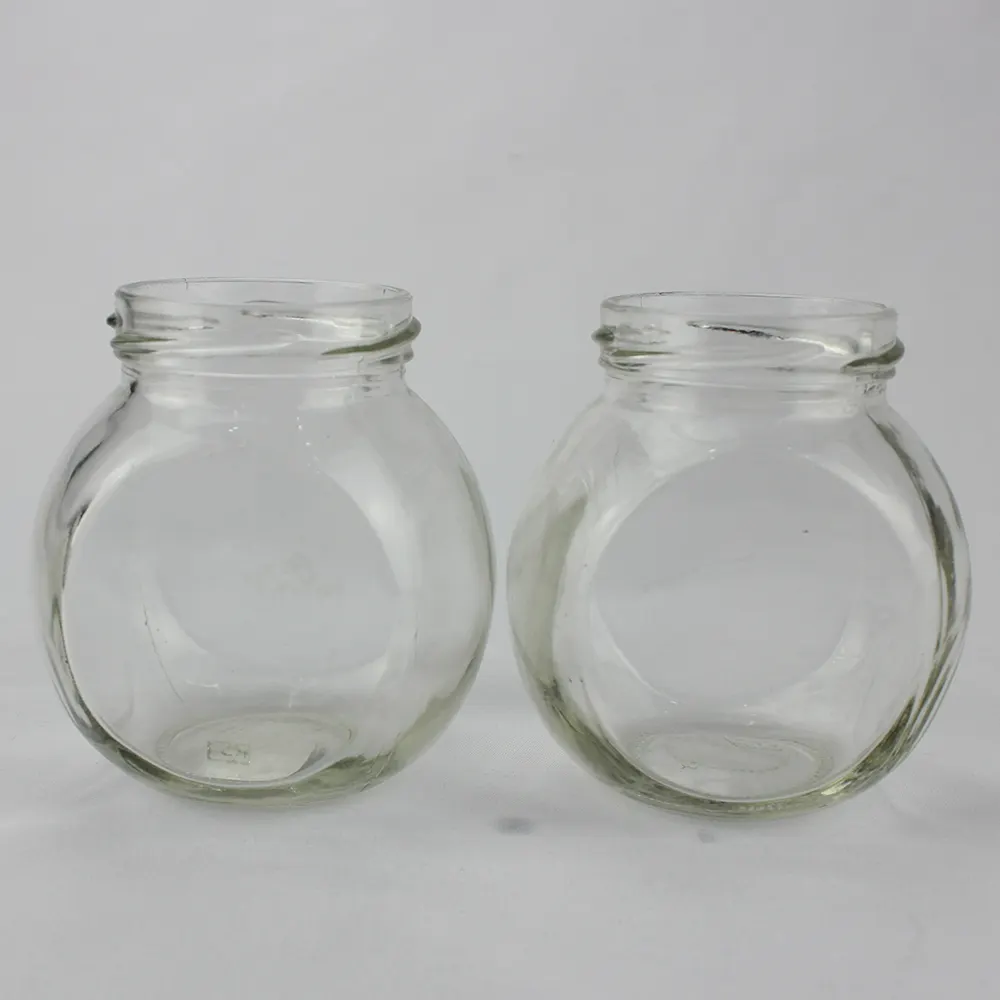
Four failure points to write into the purchase order
Spices are harder on packaging than most dry goods. Putting the following four items in the technical annex of the purchase order removes the most common failures before the first run.
- Seal. Ground spices lose volatile aromatics quickly, so seal quality decides how the product tastes six months on. Specify liner materials and torque windows, and request headspace oxygen data if the brand promises freshness.
- Resin compatibility. Oily spices such as paprika, chili, nutmeg and curry blends can stain unsuitable plastics or cause stress cracks. Confirm fitment resins against oily products, not only dry salt.
- Orifice sizing. Static makes fine powder bridge across shaker holes when filling in humid air. Hole diameter and the humidity of the co-packer's fill room have to be set together.
- Wall weight. A sturdy wall survives the drops of a real kitchen. The gap between a 2 percent and a 0.3 percent breakage complaint rate usually comes down to wall thickness and annealing quality.
From stock reference to your own jar
- Write the commercial spec. Capacity, closure system, target channels and an estimate of annual volume.
- Find the nearest stock jar. Browse the glass jars with lids collection, then decide whether a stock jar with decoration meets the brief or whether new tooling is justified. If stock is enough for now, the wholesale spice jar lines are the place to start.
- Engineer the neck. Match it to the grinder or fitment, using the fit samples and torque data.
- Test with real product. Run filling trials with your own spices, since particle size and oil content change both flow and aroma retention. Put printed samples through dishwasher cycles and rub tests.
- Close out decoration and compliance. Approve print proofs, gather the food-contact documents and fix the case-pack and pallet specifications.
- Produce, then reorder against the same approved spec.
Brands that want exclusive moulds or blind shipping can also read our guide to private label glass packaging.
FAQ
What is the minimum order for custom spice jars?
It is quoted per project, because it depends on the mould and on the line the jar runs on.
How long does a custom spice jar project take?
The schedule is set per project once the mould, the decoration and the line slot are confirmed.
Which closure goes with which product?
Whole peppercorns, coarse salt and finishing blends go under a grinder. Ground spices and herbs go under a shaker fitment sized to the particle. Rubs often suit a dual-flap cap.